
“How Do I Tell People About My Vision Loss?”
5 Questions to Help You Decide
For some people, talking about vision loss comes smoothly. For others, it can feel awkward. During the April Resource Roundtable, more than 120 Hadley members joined to share their experiences on this topic, including how they decide what feels right.
Here are some of our members’ and experts’ ideas on how to share your vision loss with family and friends, along with the questions that helped people decide.
1. Do you have to talk about your vision loss?
Whether to tell people about your vision loss is completely up to you. You might choose to mention it to some people for practical reasons—if you need a ride to the store, for example, or help reading some mail. And you might tell others for personal reasons—perhaps you want them to understand what you’re going through. But at other times, you might decide not to speak up at all.
Each decision is yours alone, including whether to explain your vision loss, who to talk to, what details to include, and how and when to share. One roundtable participant summed it up when she said, even after she had told some people, “I wasn’t ready to share with everybody.”
2. Who do you want to tell about your vision loss?
Sharing with those you trust can help you feel less isolated and alone, and some people might come to mind immediately—such as close family members and friends. But some people are likely to be more helpful than others, and you don't need to feel pressured to tell them all.
Several participants noted that their comfort level changed over time, and one said it took years before she felt truly comfortable talking about it. That reminder can take some pressure off: You don't have to decide all at once who to tell and when to tell them.
It can be especially helpful to consider who you're ready to confide in—and who you aren't—before an event or a phone call takes place. That way, you don't have to decide on the spot.
3. What should you share about your vision loss?
After deciding who to talk with, many people wonder how to explain their vision loss to others. With some people—those closest to you—you might feel like describing what you’ve been going through, how it’s affecting you now, and what you’re struggling with. That way, they can understand and offer support. But for others, less detail makes more sense.
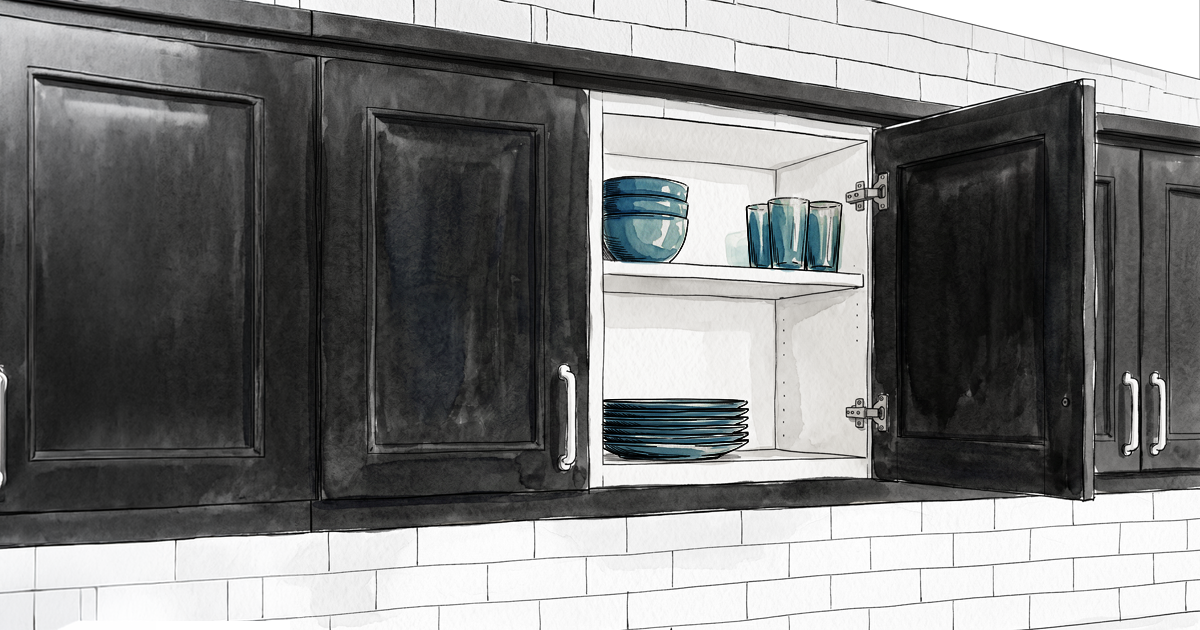
Often, it helps to focus on information that will make the situation easier. Several participants mentioned sharing practical information with household members, such as how important it is to close cupboard doors, and why. Another shared that, when he’s chatting with someone socially, he explains that he might not pick up on their gestures or respond to their facial expressions in the way they expect, because he can’t see their faces in detail. That helps both him and his conversation partners feel more comfortable.
4. What would you rather keep private about your vision loss?
You don’t need to explain everything, no matter how close you are to someone, or what they may ask. One member said she was taken by surprise when a friend introduced her by saying, “This is Carol, and she’s blind.” That not only was inaccurate, but also felt much too personal. She felt too scared to speak up in the moment, but she later realized she had to decide for herself what information to share and when to share it.
When you decide what you’re comfortable sharing and what you’d like to keep private, Hadley experts suggested practicing what you want to say, such as:
- “I’m not ready to talk about this.”
- “That’s all I want to share right now.”
You can rehearse on your own—out loud, in writing, or just by thinking it through—or you can ask someone you trust to help you practice.
5. What help or support are you looking for?
Are you sharing because you want someone to understand what you’re going through? Do you need help with a task? Or are you looking for support, patience, or simply a listening ear? Our members suggest telling people the specific outcome you’re hoping for.
If you’re asking for help or explaining what you need, it’s a good idea to keep it short and direct, such as, “I can’t see well enough to read this. Can you help?” One participant shared that, when someone tries to guide her by pushing or pulling, she says, “It’s best for me if you can just give me your elbow.” Being specific like this tells the other person exactly what you need, so they don’t have to guess.
And when you simply want understanding, patience, or someone to listen, you can make that clear to your listener, too.
There isn’t a right way or a wrong way to talk about your vision loss, and what feels natural for one person may feel uncomfortable for someone else. It’s always up to you, and you can choose what to share, what to keep private, and who to tell as those situations arise—one conversation at a time.
Coping with Vision Loss
Hadley’s Adjusting and Coping Together video series offers member stories and insights on several emotional topics, including Isolation, Impact on Relationships and Asking for Help.
Connect with Others: Resource Roundtable
Want to join others who are sharing their experience and looking for resources specific to vision loss? Join Resource Roundtable, a monthly discussion group, to discover and share tips for connecting to the information and support you’re looking for.
If you're wondering what support is out there or just need someone to talk to, Hadley is here. Call us at 800-323-4238, or email [email protected].
0 Comments