Seeing Yourself Beyond Vision Loss
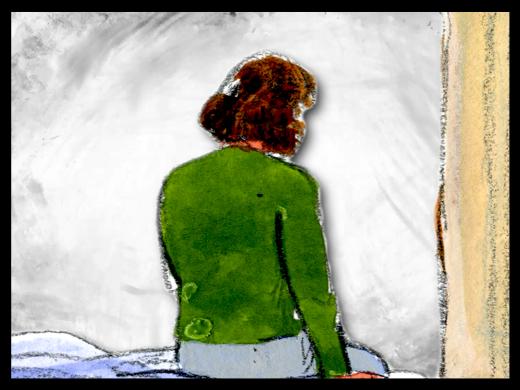
Kara: My name is Kara Snyder. My background is in the arts, and I did visual art for fun on the side. But then, once I started losing vision, I realized, wait a minute, I really wanna be a full-time artist.
I had to go through a period of uncertainty, you know, down and dark and depressing. But it was like I was grappling to find my feet again, because the markers I used in my life to define myself or to find meaning often were based in a visual interpretation of the world. And I thought, oh my God, that's my livelihood. It's my life. It's the thing I love the most. So, when that became lost to me, it really made me redefine what constitutes meaning in my life. How do I proceed in my life with this huge change?
One friend in particular was almost like a drill sergeant, like, “You don't give up! Because, just because you think you can't paint doesn't mean you can't paint anymore.”
So, when I would sit in my studio, I could still feel the canvases stacked against the wall. I could still smell the paint. I could feel my brushes. I could sense the light coming in the window, all that stuff. And I realized, just because I lost vision doesn't mean I'm not gonna call my mom and have conversations with her. I'm not gonna not go to her kitchen table and drink coffee, just because this change in my physical being occurred.
You know, it's a loss. But I was able to use that whole recipe of finding meaning, and use it for my art. Because I've used that dialogue, sitting at the coffee table with my mom metaphor, to then bring it over into my art. So I was like, what am I waiting for? So I just started to experiment with painting. There's part of me that really appreciates and is grateful for the ability to use my other senses in a deeper way. And so that has been a gift in and of itself.
I'm not gonna lie, at times I was re-questioning. I'm not saying it was a perfect, seamless bounce back into happiness. It's up and down, up and down. But because there was such deep meaning in those moments, it made me realize I've redefined my sense of being in the world.
Narrator: Have you ever thought about what makes you you? Kara defined herself as an artist. She relied upon her vision for her art, and her art was her livelihood. It's not hard to imagine how losing vision would feel impossible to her, like everything she relied upon was gone. Who was she now? Has that question ever crossed your mind since your vision loss?
Now, most of us aren't artists, but changes to vision have a way of also changing how we think about ourselves. Those of us who have, for years, been the go-to person when friends needed help may now need some help ourselves. Folks who were the primary drivers may no longer be able to fill that function anymore. It could also be that things just take a lot longer to get done now, where before we were on top of everything. Feelings of frustration can grow. Feelings of incompetence can even set in. In short, self-esteem can suffer.
Then there's the fear of how others now see us. Do they think of us differently now than they did before our vision changed? Do they see us as “lesser-than” now, or weak? Are we now defined by what we've lost? Fears like these can circle through the hearts and minds of many facing vision loss. But there are things you can do to help work through these common emotions.
One thing that tends to help is this: Whenever you can, try to focus on the strengths and abilities you still have. And there are many, even if at times it doesn't feel that way to you. Kara did this when she started to use her other senses to guide her art—her sense of touch and smell, even the feeling of the light coming in through the window. She used these other senses and brought them into her art. Kara also mentioned that she just started experimenting with different approaches. She started small, and that built her confidence bit by bit. And this is something you could do, too.
Another thing you might try is to reach out to people that can offer you support and encouragement. Kara's friend pushed her to keep painting. The friend was, in Kara's words, “like a drill sergeant.” She reminded her that, just because she thought she couldn't paint anymore didn't mean she couldn't. She had faith that Kara could find a way, even when Kara herself wasn't so sure. Is there anyone in your life who could serve as that source of encouragement when you are feeling spent?
Kara also stepped back to reexamine her life as a whole. She reminded herself of what really mattered to her. Just because she lost vision didn't mean she wasn't going to visit with her mom. That connection wasn't gone.
Another thing others facing vision loss have found helpful is to recognize that everyone will face losses in their lifetime. Everyone. It's part of being human. So rather than assuming people in your life find you “lesser-than” because you've lost some sight, it may help to recognize that they, too, are likely facing loss of some sort, whether you realize it or not.
Lastly, expect that things won't always progress in a straight line. As Kara mentioned, for her, it's been an up and down battle. It wasn't a seamless bounce back, but she now feels good about her progress. Even though vision loss is a part of who she is now, it's not the only part. She's still Kara. And you’re still you.
The Emotional Impact of Vision Loss
- Video · 9 minutes
- Video · 10 minutes
- Video · 9 minutes
- Video · 7 minutes
Explore
-
Getting the Most from Your Eye Doctor Appointments
Audio · 26 minutes
-
I'm struggling to read. Now What?
Resource guide
-
Shop Smarter with AI: Real Tips for People with Vision Loss
Article · 5 minutes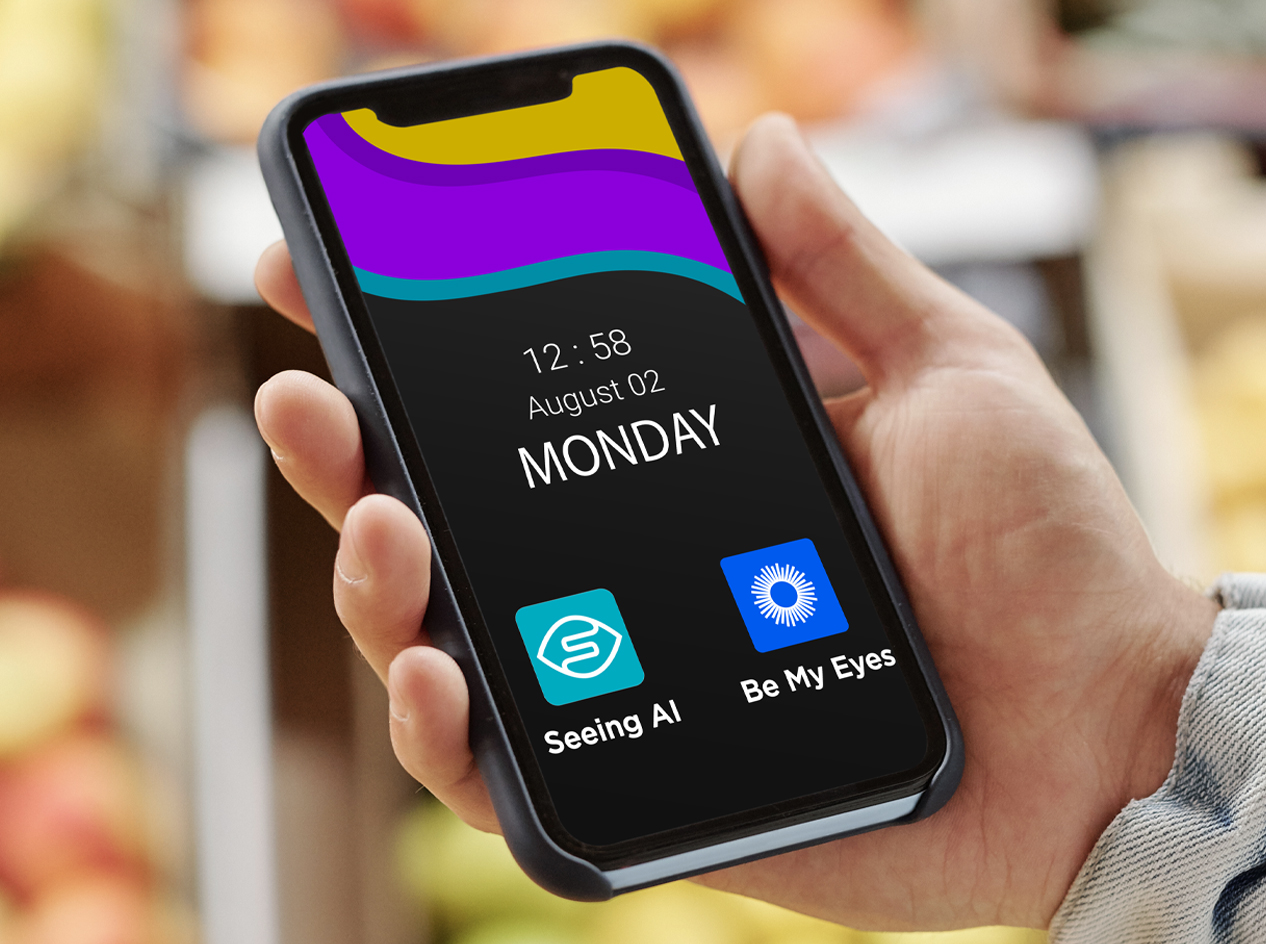
-
Recreation Chat
Discussion
- Explore more
Members also liked
- Video · 5 minutes
- Video · 4 minutes
- Video · 3 minutes

Join the Hadley Community
Hadley's resources are always available to you. Create a no-cost Hadley account to go further:
-
Pick up where you left off Everything you start is automatically saved across Hadley.
-
Personalized recommendations We'll suggest resources based on your interests.
-
Join live discussions Live and lively discussions on technology, cooking, and more, all geared toward the community of people living with vision loss.
-
Find peer support Connect with people who understand what you're going through.