
Container Gardening: The Basics
Ready to jump into container gardening? It's a relaxing and rewarding hobby. Here are a few tips to get you started. Begin with looking at your budget. You want to know what you can afford because the containers, soil, seeds, plants and tools can quickly add up. Start small. You can always expand your garden later.
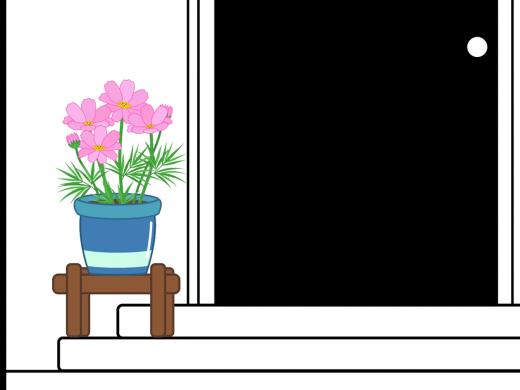
Next pick a location for your garden. You want to keep easy access and safety in mind. Your balcony, patio, deck, front porch, steps, entryway or windowsill are great spaces. Any indoor or outdoor space will work. Also, it's a good idea to have a place to sit. Why? You can care for your plants without a lot of bending or kneeling.
Moving right along, let's get to the fun part. What plants will you grow? Do you want your plants to be decorative? How about edible or a combination of both? A large variety of herbs, vegetables, fruits, flowers and greenery grow well in containers. Almost anything that can grow in the ground can be grown in a container. There's many colors, textures, scents and shapes of plants to choose from. It's your garden.
What appeals to you? Think about combining plants. For example, planting marigolds among vegetables helps to keep pests away. Consider a themed garden. You might wanna try a spaghetti themed herb garden. Plant basil, oregano, parsley and garlic chives in your kitchen windowsill for easy reach when you're cooking supper. Now what will your plants need? You wanna pick plants with similar growing needs.
First, it's important to be aware of how much sunlight your plants require. Most container plants will need at least five hours of sunlight a day. Read plant labels to learn more about sun needs. Also, feel the sun's warmth to see where the sun hits your location. Plants need shade, full or filtered sun to thrive. Your patio or deck will offer extra hours of sun and if you choose an entryway, watch out for an overhanging roof or eaves which block sunshine.
Are your summers dry or humid? How long and cold are your winters? Take time to learn your plant's climate needs. Staff at your local garden center can help you learn about temperature requirements. Or take a look at the USDA Plant Hardiness Zone Map in our resource section to see what grows best in your area.
Your choice of soil and fertilizer is important for your plant's growth. Potting soils are best for container plants. If your soil mix holds together when compressed and easily crumbles when tapped, you found a good one. Apply slow release fertilizer at planting. Or use a water soluble fertilizer every few weeks. Your plants will love you for this added attention.
Now let's find containers for your plants. You'll need to think about the size of the plant, what the container is made of and your style. Whatever container you select, it must have drainage holes. You don't want your plants to sit in water. Take the time to research the pros and cons of different material. Unglazed terracotta pots dry out more quickly than glazed ceramic ones. Plastic containers hold moisture better, but crack easily.
How heavy is your container? You may want to move your container around so think about its weight and size. Keep in mind your plants need enough room to grow so pick a container that offers space for the roots. Another idea is to look around for unique containers in your home. Check out thrift stores too. A wheelbarrow, old shoe, wine barrow, teacup or birdcage adds personality to your garden.
We're not done yet. There are some important things to keep in mind about taking care of your plants. Did you know that plants potted in containers need to be watered more often? Here's a great tip to know when your plant needs a drink. Stick your index finger into the soil to the knuckle. If it feels damp, you can wait to water, if it feels very wet, it has been over-watered and if it feels dry, it needs to be watered.
If you have many containers, place them near a watering source so you can use a hose. Otherwise a watering can will work just fine. Buy one that's big enough so that you're not making a lot of trips, but that's not too heavy for you to carry. Also, look for one with a big spout so you can water directly around the base of the plant.
You're going to need some tools to work in your garden such as a watering device, gloves, trowel, hand pruners and cultivator rake. It's a great idea to buy tools with brightly colored handles to make them easier to locate. You could also wrap handles with colored tape or fabric or paint handles with a contrasting color. You'll find a bucket or tool caddy is a nice way to stay organized and keep your tools close by.
To help you identify your plants, use waterproof tape and markers to create large print labels to place on your containers. Try craft or Popsicle sticks in the container. Also, the unique shapes, textures and scents of your plants will make it easy to identify them.
Once your plants are growing, you'll need to do some work. Learn about weeding deadheading, removing dead or faded flowers, pinching and pruning your plants in our handout in the resources section of this workshop. Additional questions about starting your garden? Don't hesitate to contact a learning expert for more tips.
-
Websites
Learn what plants are most likely to thrive in your location.
Explore
-
How to Avoid Phone and Online Scams When Living With Vision Loss
Audio · 26 minutes
-
It's hard to ask for help
Resource guide
-
5 More Talking Devices People with Vision Loss Find Helpful
Article · 5 minutes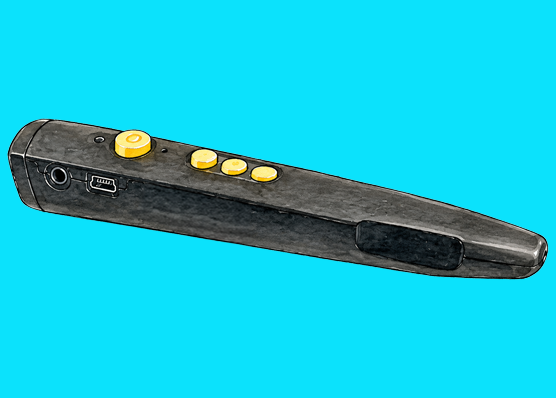
-
Tech It Out
Discussion
- Explore more
Members also liked
- Video · 3 minutes

- Video · 3 minutes
- Video · 6 minutes

- Video · 4 minutes
Join the Hadley Community
Hadley's resources are always available to you. Create a no-cost Hadley account to go further:
-
Pick up where you left off Everything you start is automatically saved across Hadley.
-
Personalized recommendations We'll suggest resources based on your interests.
-
Join live discussions Live and lively discussions on technology, cooking, and more, all geared toward the community of people living with vision loss.
-
Find peer support Connect with people who understand what you're going through.