
What's on the Table
Eating out can still be enjoyable no matter your level of vision. In this workshop, we'll share simple tips for exploring what's on the table and plate in front of us.
The key to exploring unfamiliar table settings is to go low and slow. This approach avoids knocking things over as we figure out what is where. Moving low means hovering our hands just above the table itself to explore. That way, we'll come into contact with the base of a water glass for instance, instead of the rim. Then to make gentle contact with items in front of us, we use the back of our fingers. With our palms facing the table and fingers slightly curled inward, we'll move our hands around the place setting to discover the silverware, plate, water glasses, et cetera.
When the food arrives, a slow systematic approach helps to map things out. We started the top of the plate and use the fork to brush downwards. Gently move the fork toward the middle of the plate to find the food that's there, then taste it. Now that we know what food is near the top, move the fork back to the top edge of the plate and follow along the right side. Again, move the fork in towards the middle of the plate and use it to taste and identify food on the right side. Keep using this pattern for the bottom of the plate and then around to the left side until the whole plate is explored.
And of course, there may be times when we could use some help. It doesn't take much for a friend or waiter to explain what's on the top, bottom, left and right sides of the plate. For more tips, continue the series or contact a Hadley Learning expert.
-
Handouts
This handout helps you imagine your plate as a clock so you can identify and remember where each food item is.
-
Products
This sanitary snap-on Food Bumper is designed to keep food from sliding off the plate even when eating with one hand.
The compartment walls on a divided plate can help you scoop your food onto your spoon or fork.
Dycem non-slip pads from Walmart
These provide a secure surface and anchor your items to the tabletop.
Dining Out Series
- Video · 5 minutes
- Video · 5 minutes
- Video · 3 minutes
- Video · 4 minutes
Explore
-
Managing Social Gatherings with Vision Loss
Audio · 30 minutes
-
I'm having trouble reading
Resource guide
-
After the Eye Doctor: Practical Help for Vision Loss
Article · 6 minutes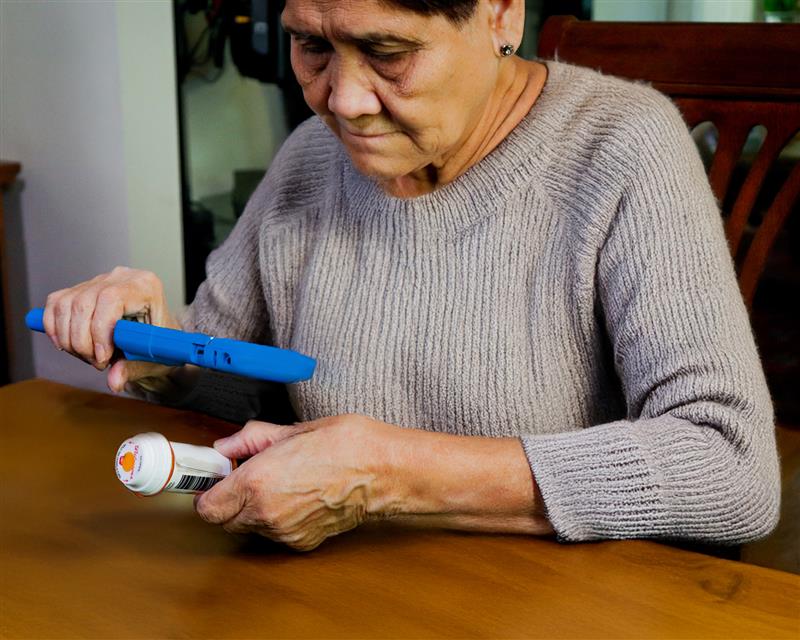
-
Writers' Circle
Discussion
- Explore more
Members also liked
- Video · 3 minutes

- Video · 6 minutes
- Video · 3 minutes
- Video · 4 minutes
Join the Hadley Community
Hadley's resources are always available to you. Create a no-cost Hadley account to go further:
-
Pick up where you left off Everything you start is automatically saved across Hadley.
-
Personalized recommendations We'll suggest resources based on your interests.
-
Join live discussions Live and lively discussions on technology, cooking, and more, all geared toward the community of people living with vision loss.
-
Find peer support Connect with people who understand what you're going through.