
Common Misconceptions About Guide Dogs
So here you are, you've started researching and becoming more and more curious about how a guide dog might fit into your life, but you've heard some things that give you pause. Well, let's clear up some of the most common misconceptions so they don't get in the way of you making a more informed decision.
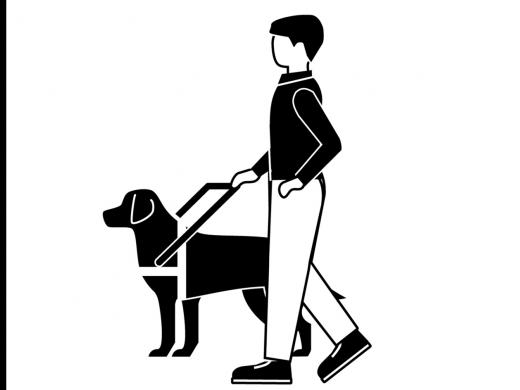
One of the most common, I can't have a guide dog, I have pets at home. Not true, guide dogs and other pets can learn to live together. Some people resist the idea of a guide dog because they don't go out much. Yes, you will have to take the dog out for daily walks as part of their care, but think about this, owning a guide dog will not only increase your activity, it can help build your confidence so you may want to go out more. Here's another one, I'm too old to own a guide dog. Guide dog schools do not have an upper age limit for acceptance. If you are active or willing to increase your stamina, you can own a guide dog at any age.
And don't worry if you live in an apartment building that doesn't allow pets, access laws in the US, Canada, Australia and other countries permit guide dogs and their handlers to go everywhere the general public is allowed, this includes apartment buildings, whether you are visiting someone or living in one. An important misconception is that if you have a guide dog, you don't need to know how to properly use a white cane. It's actually the opposite, you must have good white cane skills before receiving guide dog training.
All guide dog schools require a solid foundation of what are called orientation and mobility skills before assigning you a dog. And one reason these orientation and mobility skills are so important is because the dog cannot find destinations without guidance. A guide dog will not know where to go, so you, their handler, must know the directions for reaching a desired destination.
Man: Forward.
Narrator: And be able to give the dog verbal commands to get there. And, no, the dog does not determine when it's okay to cross the street. Dogs can't see color, so they cannot be expected to know, for example, when a traffic light is green. They can't read traffic signals either. Handlers need to listen to the traffic and give the instruction to go forward when they believe it is safe to cross.
Man: Forward.
Narrator: If it's not okay, let's say a car unexpectedly turns in front of you, that's when the dog will react and refuse to go forward, keeping you safe. Unfortunately, working with a guide dog does not mean you'll never bump into things or get lost.
Dogs can sometimes get distracted and display common behaviors like looking for food and socializing with other people and other dogs. This can disorient them and you, but you can keep your guide dog's skills sharp by correcting the dog's behavior should this happen, switching up the routes you take and going out and about often. And don't think because it's a guide dog, it never gets to be a pet. When you remove their harness and the dog is off duty, they are allowed to play and be a pet. Other household members can then freely interact with the dog, and after all, the dog will be a part of your family.
And last but not least, some people list protection as their primary reason for wanting a guide dog. While some dogs may instinctively protect the handler, they are not specifically trained to offer protection from intruders or danger, so that shouldn't be your main reason to get a guide dog.
As always, contact a learning expert if you have questions or want to continue learning more about how a guide dog could fit into your life. Of course, as with anything new, give yourself time, patience and practice, and you'll get there.
-
Websites
An Overview of the Americans with Disabilities Act
Section 36.302(c) of the Americans with Disabilities Act requires public accommodations generally to modify policies, practices, and procedures to permit people who are blind or disabled to be accompanied by working dogs anywhere.
It’s Official: Dog Owners Live Longer, Healthier Lives
The research, published in Scientific Reports, is the latest in a growing body of research suggesting that canine companions may be good for human health—especially for people who live alone.
Orientation and Mobility Skills from VisionAware
Orientation and Mobility (O&M) is a profession specific to blindness and low vision that teaches safe, efficient, and effective travel skills to people of all ages.
Information about Blindness and Guide Dog etiquette, as well as Responsible Pet ownership.
Guide Dogs Series
- Video · 4 minutes

- Video · 3 minutes
Explore
-
"Paying it forward"
Audio · 3 minutes
-
I can’t drive anymore
Resource guide
-
Organizing Your Kitchen with Vision Loss: Finding Things in the Fridge
Article · 4 minutes
-
Tech It Out
Discussion
- Explore more
Members also liked
- Video · 3 minutes

- Video · 3 minutes
- Video · 4 minutes
- Video · 6 minutes
Join the Hadley Community
Hadley's resources are always available to you. Create a no-cost Hadley account to go further:
-
Pick up where you left off Everything you start is automatically saved across Hadley.
-
Personalized recommendations We'll suggest resources based on your interests.
-
Join live discussions Live and lively discussions on technology, cooking, and more, all geared toward the community of people living with vision loss.
-
Find peer support Connect with people who understand what you're going through.