Hi, I am Pam Harris. I have myopic macular degeneration. The first couple of years were really rough. I was alone much of the time and very trapped, so it was very difficult for me to accept the limitations I had.
Let's take a look at how macular degeneration can affect some of the most common things we do. Along with some tips that might make some of these tasks just a bit easier.
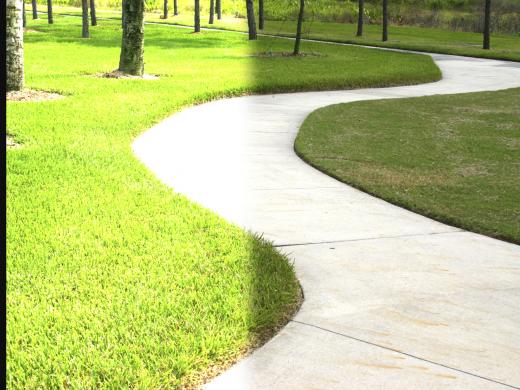
Macular degeneration affects the macula, which is a really small area in the very center of your retina. The macula allows you to see fine details when reading, recognizing faces and performing closeup work. Without getting into too much eye anatomy, just think of the eye as a camera. When the macula is damaged, you're just not going to get a full, clear picture and colors will likely appear faded or washed out.
This can make tasks like pouring without spilling really tricky. Some small adjustments can make a huge difference, like placing the cup right on the spout, feeling the warmth rise as the cup fills, and hearing the sound change as it gets full. Another great tip is to pour coffee into a light colored cup instead of a dark colored cup.
When looking at objects right in front of you, they might appear smudged, distorted, or even lost. Lighting will likely appear dim, causing shadows. Glare can also be a major issue. Things could be just too bright to see clearly. Knowing how to reduce glare and shadows can really enhance your living space.
Lampshades are a great place to start. Opaque or filtered shades work really well to keep light shining down or up and not right into our eyes, and they'll work better if they're always below eye level so that the light we need is right where we want it.
Falling can be a real risk with macular degeneration, so reducing clutter is so important. This is a real team effort for everyone we live with, and it's important that they understand that furniture should never be moved or rearranged without first letting you know.
Tips like keeping cabinet and appliance doors closed, keeping walkways clear of cords and area rugs and closing interior and entryway doors will go a long way to helping you move around safely.
And if you have a dog or cat, attaching a small bell to their collar will allow you to keep track of them as they bounce around the house. It typically takes years for macular degeneration to progress, and it rarely causes total blindness because it doesn't affect the side vision. With the right treatment, most people will reduce the risk of significant vision loss and keep their vision for many years.
Hadley's Adjustment series is all about taking control of your vision loss. Discovering ways to adapt and knowing how to get around safely can be truly empowering. Although it might be a little scary at first, you'll start to learn to do things in new ways. You'll realize that you won't have to stop doing the things you'll love to do, but you may need to find a different way to do it.
The Adjustment series, along with all of the workshops mentioned, can be found right here on the Hadley website.
After a couple of years and learning how to do old things and new ways, I am in a much better place now. I have learned to develop new hobbies. I'm even sketching again, so I'm not going to say that I'm always okay with it. I have my bad days as well as my better days, but it's okay if you have the bad days. For me, as time goes on, those bad days are farther and farther apart.
Tips, tools, and resources to better understand AMD
The Council of Citizens with Low Vision International (CCLVI)
Support, resources, education, and advocacy for those living with vision loss
American Macular Degeneration Foundation (AMDF)
Information, personal stories and more to help people learn to live with AMD
You can download and print your own Amsler grid to track changes in your vision.
Hadley's resources are always available to you. Create a no-cost Hadley account to go further: