
Low Vision: Contrasting Colors
For those of us with low vision, some colors work well and make things easier to see. And others, not so much. It all comes down to contrast. In short, highly contrasting colors can make things easier to see. And the brighter, more intense, the light, the better the contrast in colors. That's why it's important to avoid shadows and dim lighting. And some colors can be easier to see than others. Bright reds, oranges, and yellows, for instance, are easier to see them pastels and dull colors, like beige.
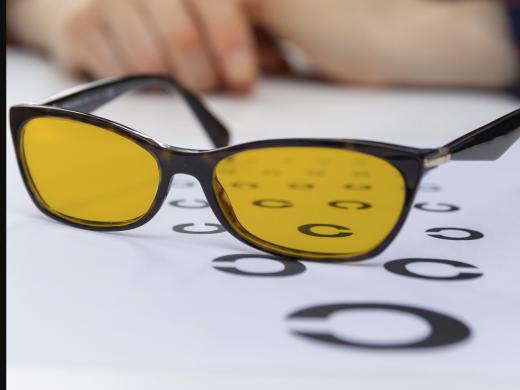
Wearing yellow or amber sunglasses can increase the color contrast. They also help reduce eye strain and fatigue. You may want to give them a try. Contrast can play a role in how well you see items inside your home. Think about how much easier outlets and switches would be to see if there are dark colored outlet plates and switches on light colored walls. And vice versa for dark colored walls.
In a lot of today's homes, baseboards are already painted a contrasting color to the walls, making them a great place to install outlets as well. Think about increasing contrast throughout your home, from furniture and objects like lamps to kitchenware, tablecloths and rugs. Dark colored furniture will be easier to see against the light colored wall. Light colored placemats or dishes will work best on a dark colored table or countertop. Even grouping documents, using different colored tabs in a folder will make paperwork easier to deal with. There are always ways to make things easier to see.
You'll want to avoid clear glassware or plastics as they're harder to see. This is also the case with patterns and stripes for tablecloths, placemats or rugs. They just make it harder to see the plate or lamp resting there. Instead stick with solid colors for more contrast and less clutter.
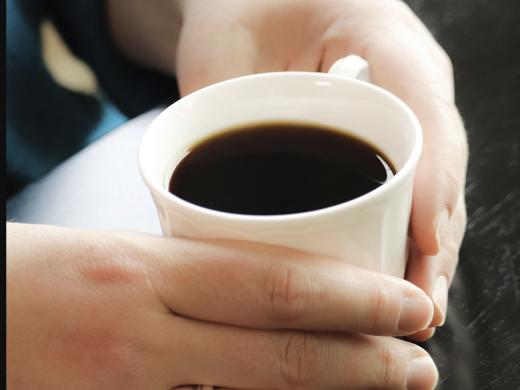
If you're a coffee drinker, pouring your coffee into a light colored cup will make it easier to see when you've reached the top. This works for all liquids. Just pick a cup with a contrasting color, and you'll have an easier time of it. It works for cutting boards, too. A two sided cutting board with one side a light color, and the other dark will make slicing fruits and veggies on the one side and chopping onions or meats on the other both easier to do.
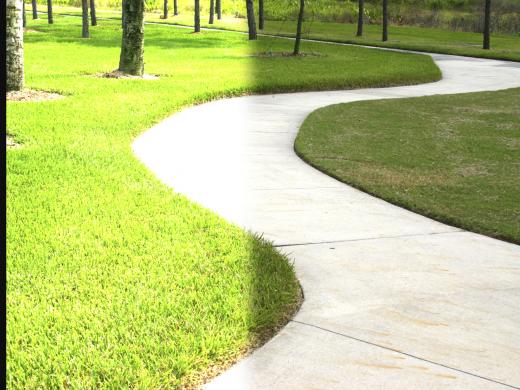
And when going outside, be aware of contrasts and use them wherever you can. For instance, sidewalks and stairs that contrast can show a change in surface levels or help you distinguish a grassy area from a paved one. Exit and do not enter signs in red on white doors will also help guide you or help you avoid a hazard. As always, contact a learning expert if you have questions or your own tips to share. Of course, as with anything new, give yourself time, patience and practice, and you'll get there.
-
Handouts
The handout provides information on ways to contrast areas in an environment through touch and sound.
-
Products
Colorino Talking Color Identifier and Light Detector
The device is a talking, pocket-sized color identifier that detects the basic colors and many shades, and includes a light probe, as well.
Low Vision Series
- Video · 3 minutes
- Video · 6 minutes
- Video · 5 minutes
- Video · 4 minutes
Explore
-
"I'm not alone"
Audio · 4 minutes
-
I was just diagnosed
Resource guide
-
Feeling Judgment and Shame: Misunderstandings due to vision loss
Article · 5 minutes
-
Resource Roundtable
Discussion
- Explore more
Members also liked
- Video · 3 minutes
- Video · 5 minutes
- Video · 4 minutes
- Video · 6 minutes
Join the Hadley Community
Hadley's resources are always available to you. Create a no-cost Hadley account to go further:
-
Pick up where you left off Everything you start is automatically saved across Hadley.
-
Personalized recommendations We'll suggest resources based on your interests.
-
Join live discussions Live and lively discussions on technology, cooking, and more, all geared toward the community of people living with vision loss.
-
Find peer support Connect with people who understand what you're going through.