
Safety Basics: Working with Assistants
We all could use a little help now and then. From yardwork to paperwork, sometimes an extra pair of hands – or eyes – is what we need. With changing vision, you may be relying on help more than you ever did before. And knowing how to handle your help keeps you safe and in charge - no matter your level of vision.
The first thing to remember is: any assistant, whether you pay them or not, is your employee. They are working for you. That means you’re better off if you set clear boundaries and they know exactly what is expected of them. It’s safer too.
First, be exact in your own mind about when and where you want help and when and where you don’t. That way, you’re in control. Your assistants will appreciate it because they will look to you for guidance.
Here’s an example to get you started. Let’s say you want help with grocery shopping. Think about all the things you do when you shop – you won’t need help every step of the way – just at certain times. So instead of saying “I want help grocery shopping” say “I need help finding things in the store and reading labels and prices.” “Then I need help reading the labels when I get home so I can organize what I’ve bought.” Keep things clear and specific.
Something to keep in mind, especially if the person assisting you is new to you; there's no need for them to have full run of your place. They should only see personal information that relates to what you're requesting of them. Ask them to commit to a schedule and let them know you expect them to stick with it. You’ll avoid someone unexpected showing up at your door.
And although it might be difficult to find help sometimes, if you are uncomfortable with the person, for any reason at all – find someone else to help you. You may not be able to depend on your vision to judge peoples’ expressions and actions - but you can always trust your intuition.
Once you’ve found someone you can trust, keep in mind it’s likely they’ve never worked with anyone who has vision loss before. So, let them know about your vision and how you prefer to do things.
If you’ll be asking for guided walking they’ll need some training. Check out our workshop series on guided walking for more information. In general, they should be comfortable knowing when you’ll need a second pair of eyes.
There are some common things folks with vision loss need help with and one of them is driving. Whether it’s a friend, a volunteer or someone you’re paying, let your driver know how you like to do things. If you need help getting in or out of the car, tell them how to assist.
Be exact about when you need to be picked up and try to be ready a bit beforehand so there’s no rush to get out the door. Your driver should be on time as well. It may not be safe to be kept waiting on the sidewalk when you’re done with an appointment. Tell your driver where to pick you up and drop you off, and if they’ll need to escort you inside a building. Agree on how you’ll let them know you’re ready and have each other’s phone numbers handy.
Finally, although it can be hard to find drivers, don’t be tempted to settle for just any volunteer. It’s fine to first ask a few questions to a driver you don’t know well. Do they have a valid license and insurance? Is their car reliable? Do they smoke in their car? What kind of car do they have? It’s easier to get into a SUV, for instance, than a small sports car. And if your driver is a volunteer, always offer to pay for fuel.
While some people use technology to access mail or bills or forms, sometimes a person’s help is just easier. If someone else is helping you read paperwork, there are lots of things that you can do to protect your privacy and keep your information safe.
Get your work area ready before your help arrives. Have everything you need in one place so you or your helper don’t have to go searching for things in other parts of your home. Keep your paperwork in something that’s easy to carry. If you have to leave the room to answer the phone or the door you can pick it up and keep your personal information with you at all times.
If you need some help filling out a check, tear out a check ahead of time and hold on to the checkbook. Practice using a signature guide so no one has to sign your name for you. A signature guide is a credit card-sized template that helps you align your signature and keeps it right where it needs to go. You can find more information on signature guides in our workshop, “Signing Your Name”.
Label your credit card with audio labels or labels you can feel, so you can give your helper just the one card they might need. Check out our Labels for Everyday Use workshop series for some ideas. And after every task, have your helper return any papers or cards so you can keep them organized one by one.
Working with a helper may be something new for a lot of people, but with a bit of planning and organization, an assistant can be a useful tool.
Safety Basics Series
- Video · 5 minutes

- Video · 7 minutes

- Video · 13 minutes

Explore
-
Losing Vision as an Artist
Audio · 28 minutes
-
I can’t drive anymore. Now What?
Resource guide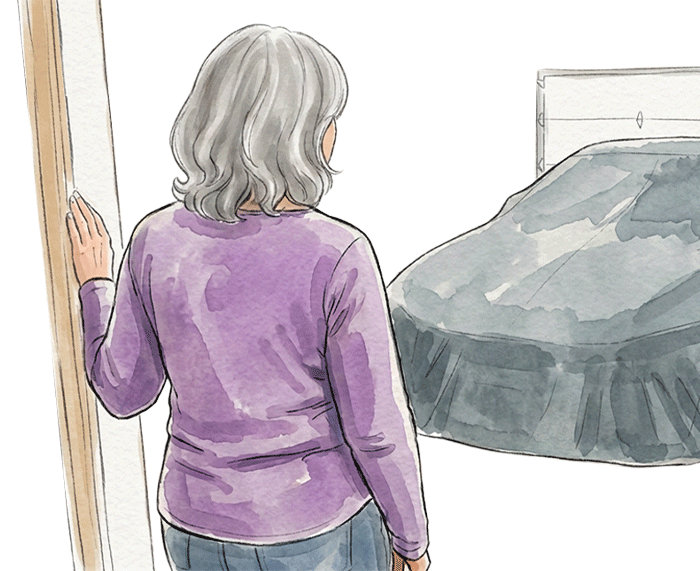
-
Organizing Your Kitchen with Vision Loss: What’s in the Pantry?
Article · 4 minutes
-
Writers' Circle
Discussion
- Explore more
Members also liked
- Video · 8 minutes

- Video · 8 minutes
- Video · 3 minutes

- Video · 3 minutes

Join the Hadley Community
Hadley's resources are always available to you. Create a no-cost Hadley account to go further:
-
Pick up where you left off Everything you start is automatically saved across Hadley.
-
Personalized recommendations We'll suggest resources based on your interests.
-
Join live discussions Live and lively discussions on technology, cooking, and more, all geared toward the community of people living with vision loss.
-
Find peer support Connect with people who understand what you're going through.