
Android TalkBack: Navigating Websites
Hi, my name is Ricky Enger, and today we're gonna check out some great tips for getting around on websites using TalkBack. We're using a Google Pixel phone for our workshop here, but what we're learning should be pretty much the same for a lot of other Android phones as well. What we're doing today is actually going to build off some concepts we learned in our workshop for three and four-finger gestures, as well as the workshop where we talk about reading and navigating text. So if you haven't checked those out yet, they're really a great place to start, and just as we say in those workshops, here's a little reminder that every phone is a bit different.
Some phones don't work with these three-finger gestures that we're doing today, so if that's what's going on with your phone, it's all good because we have some great resources if you scroll down the workshop page here that tell you exactly what to do for your particular phone. There's info on gestures, as well as some tips on turning on the navigation bar. Yeah, there's also cool stuff in that resources area, so be sure and check it out.
Okay, let's jump in and find out how to work with websites using TalkBack. We're gonna open our NLS Bard website in Chrome, which is the browser that comes on our Android phone by default. Not only is Bard a great place to browse and download Braille and audiobooks, it's really good for practicing how to get around on a webpage, too. So our first step of course is to open Chrome. On this phone, it's down in our favorites area, along the bottom of the screen, just above our navigation bar, since we have the phone set up to display that.
Google Assistant: Chrome, double tap to activate.
Ricky: All right, so we'll open this with our double tap.
Google Assistant: Chrome, home button.
Ricky: Cool, here we are. And now, let's swipe right to get to the area where we can enter our website address.
Google Assistant: Search or type web address, edit box in list. Double tap to edit text. Double tap and hold to long press. Actions available, use tap with three fingers to view.
Ricky: Okay, let's double tap here.
Google Assistant: Search or type web address, edit box out of list. Showing G board.
Ricky: So here we are, ready to type, and there's our onscreen keyboard down below in the bottom quarter of our screen. We can explore by touch until we find it, and then we'll start typing our address, which is a pretty long one. There's a really useful feature here that's gonna help with that over time, so let's start typing N.
Google Assistant: NLSBard.loc.gov.
Ricky: Oh, awesome. Since we visited this site before on this phone, Chrome is gonna save us from having to type in that whole address again. Nice, and the more websites we visit, the more history that Chrome has to pull from and fill in our favorite addresses automatically. All right, this address is all typed in thanks to Chrome, so let's head down to the bottom right corner of our screen, and double tap our go button.
Google Assistant: Go, double tap to activate. Bard main page, web view.
Ricky: Awesome, here we are. Now if you're playing along at home, there will probably be a login screen that pops up initially before this main page. No worries because by the end of this workshop, you'll know just what to do to move from field to field to fill out that information and get logged in. Oh, and if you're not yet signed up with Bard, remember that resources area down below the workshop with all the cool stuff? Yeah, there's a link that will tell you everything you need to know to get started with Bard. Okay, so now that we're on our page, we could always use our two-finger triple tap to just start reading this whole thing, or we could also start swiping right to move through all the content on the page little by little. Those are good tips to keep in mind because once we do get to a spot on the page where we really just want to start reading everything, or go little by little, those are the gestures we'll need. For now though, we want to figure out how to move through this content in a specific way. So kind of a quick recap from our workshop on reading controls, we have our lovely little three-finger swipe gesture. This is going to let us cycle through the different ways that we can move through information on our phone. So let's practice that a little. We'll swipe right with three fingers.
Google Assistant: Words, swipe up or swipe down to read by words.
Ricky: Oh yeah, this is how this works. We focus on how we want to move through our content and then just use our one finger to swipe up or down. Okay, cool, let's keep swiping right a few times with three fingers, here we go. We'll just swipe right.
Google Assistant: Lines.
Ricky: And again.
Google Assistant: Headings.
Ricky: Okay, great, let's stop here and see how this works. Headings are super useful because they can help us jump to different sections on a page. Instead of needing to read every single thing, we can kind of get an idea of how the site is divided up, and skip past things we might not care about. We'll just swipe down here and jump to our first heading.
Google Assistant: Bard main page, heading one.
Ricky: Yep, there we go. Let's swipe down again and see what's next.
Google Assistant: Recently added books and magazines, heading three, space.
Ricky: Hey, nice. Here's where we can see what's been added lately. That's always fun. Okay, let's swipe down one more time.
Google Assistant: Most popular books. Heading three, space.
Ricky: Wow, this is awesome. We're skipping past any text we might not care about and moving through our different sections of the site. When we get to the section we care about, we can start exploring with our left and right swipes or just start reading the whole thing, or of course we can switch our reading controls to characters, words, any of those things that we can get to with our three-finger swipe gestures and explore the content that way. Yeah, whatever feels comfortable. All right, so that's how our headings work. They're just moving us to different sections of the site. Let's check out what's next in our reading controls. So we've got our three fingers and we'll swipe right.
Google Assistant: Controls, swipe up or swipe down to read by controls.
Ricky: Okay then, let's do that, let's swipe down and see what we get.
Google Assistant: Not checked, display only books produced by or specially acquired by the National Library Service for the Blind and Print Disabled. Checkbox, double tap to toggle.
Ricky: Yeah, so this is a checkbox, which is one example of a control. Controls are just things like check boxes, edit boxes where we can type things, drop-down boxes, buttons, yeah, there are lots of different control types. We won't really go too in depth about what each one does but as we encounter controls, TalkBack is gonna tell us what we need to do with them. For this one, TalkBack says double tap to toggle. So now we know that's how we work with our checkbox. Let's check out one more control while we're here. We'll just swipe down again with one finger.
Google Assistant: Edit box, search the collection. Double tap to edit text. Actions available, use tap with three fingers to view.
Ricky: Okay, great. In all that, we heard our control, which is an edit box, then TalkBack tells us to double tap to edit text. So yeah, that's how we'll get inside that edit box and start typing a search term. Really, the important lesson here is that if we listen, TalkBack will give us some great hints about where we are and what we can do. All right, there's one last thing we should talk about in terms of how we can move through this web content. Let's do our three-finger swipe right one more time.
Google Assistant: Links, swipe up or swipe down to read by links.
Ricky: Okay, yeah, links. We can't really get around the web without those, and here they are in our reading controls. So that's good. Just like with every other reading control, we're just gonna swipe down with one finger to start moving forward through our links.
Google Assistant: Language, link, double tap to activate. Links available, use tap with three fingers to view.
Ricky: Yep, makes sense. We'll double tap if we want to open this link. Let's swipe down one more time.
Google Assistant: Language preference settings, link. Double tap to activate, links available, use tap with three fingers to view.
Ricky: Cool, we can double tap here and change our language settings, and that's how we'll work with any links we find. We'll just double tap to open them. Oh, and we've been moving forward on our page this whole time, but of course, we can move backward as well. With webpages, we have the chance to use just about all the gestures we've ever learned, right? There's our left and right swipes, our up and down swipes, three-finger swipe left or right to cycle through our reading controls, and we can even use our two-finger swipe up or down gestures to scroll through our content. So yeah, webpages are a great place to really put everything we've learned into practice.
We checked out the NLS Bard website today, but all these concepts will work, no matter which webpage you choose. With all these cool gestures for getting around on the web, it's time to go and have fun browsing.
I'm Ricky Enger, and I'm glad you could spend a little time with me today, learning about getting around on the web with TalkBack. See you next time.
-
Handouts
Navigating Websites Quick-Start Guide (PDF)
This quick-start guide shows youhow to ouse the gestures you've learned to navigate websites.
Setting up Your Phone to Use the Navigation Bar (PDF)
Choose between gestures or the navigation bar to move around on your phone
-
Websites
Listen with TalkBack: Navigating Websites
Instructional video for navigating websites on older Android phones
Listen with TalkBack series Full Playlist for older Android phones
Listen with TalkBack Series
- Video · 6 minutes

- Video · 5 minutes
- Video · 9 minutes

- Video · 10 minutes
Explore
-
Star Trek and Vision Loss
Audio · 30 minutes
-
It's hard to ask for help
Resource guide
-
Organizing Your Kitchen with Vision Loss: Finding Things in the Fridge
Article · 4 minutes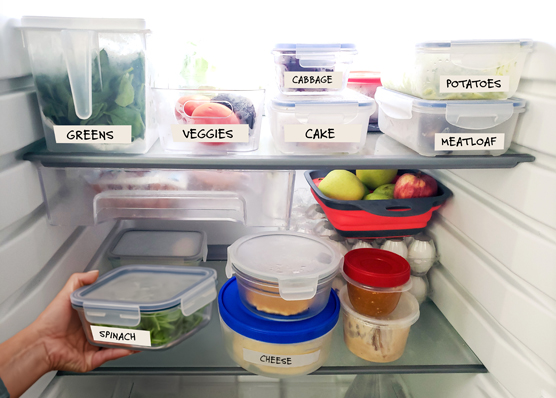
-
Resource Roundtable
Discussion
- Explore more
Members also liked
- Video · 8 minutes
- Video · 4 minutes
- Video · 5 minutes
- Video · 10 minutes
Join the Hadley Community
Hadley's resources are always available to you. Create a no-cost Hadley account to go further:
-
Pick up where you left off Everything you start is automatically saved across Hadley.
-
Personalized recommendations We'll suggest resources based on your interests.
-
Join live discussions Live and lively discussions on technology, cooking, and more, all geared toward the community of people living with vision loss.
-
Find peer support Connect with people who understand what you're going through.