
Enjoying Bird Songs
The Carolina chickadee. The northern cardinal. The common yellowthroat. The next time you're outside, in your yard or the park, or even on the street, stop for a minute and listen. How many birds can you hear? Likely, it's at least a few. Even if you live in the city. Now, how many birds can you see? Unless you're lucky, probably none. Birds like to stay out of sight. They feel safer that way. But they do want to be heard. And that's why birds are so fun to enjoy with our ears, not our eyes.
Vision doesn't matter when the best possible way to get to know your feathered friends is through their songs. So, let's get birding. What's wonderful is that you really won't have to go far from home to start. You won't need to worry about finding a ride when there's plenty of nature to enjoy in your own backyard. If you have a bit of a garden, that's even better. Just a few containers of plants add color, texture, and scent to your outdoor space, and they'll be sure to attract your neighborhood birds. If you're interested, we have workshops on both container gardening and attracting birds.
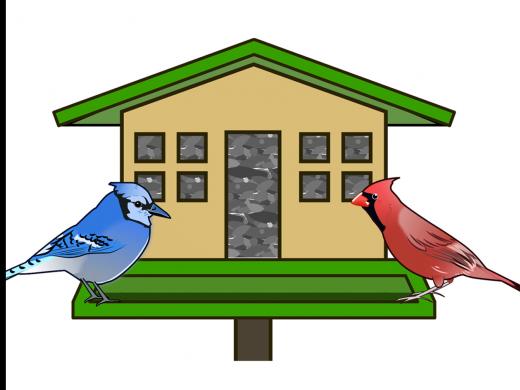
And it's best to rise and shine. If the early bird catches the worm, an early riser will hear the birds. Birds are most active and alert in the morning. But no worries. If you're a night owl, there are still plenty of birds that sing at night. Whatever time you choose, pull up a comfortable chair, be quiet and settle in. If you're part of the scenery, birds will come closer. Just be patient. We always hear a bird singing or calling before we see it. If you want to listen indoors, use baby monitors. Place one inside and the other near your bird feeders to better hear who's visiting. Check out our resources for more information on this fun project.
When you hear a bird, try to block out other noise. Close your eyes. Good vision is not required to tune in. Turn your head from side to side to help find the location of the sound. And only focus on one bird at a time. Even if you don't have rhythm, birds do. Listen for their unique rhythm, pitch and tempo. Each bird species has its own special song and call. For example, you may have heard of the trill of a bird. If a bird trills, you'll hear short, high-pitched repeated notes. The more you listen, the more you will be able to pick out different birds. For practice, listen to bird songs on a CD, online, or install a birding app on your phone. Check out the Resources section for ideas.
Did you know there's a difference between a bird song and a bird call? Songs are more complex and carry a clear pattern, mostly used by male birds to attract a mate. Calls tend to be short and simple. These chirps and squawks can mean, "Follow me," or "Danger's near." If you have trouble remembering what song or call belongs to what bird, use mnemonics or catchy phrases to give you clues. Birding by ear can be a great way to sharpen your hearing as well as memory.
You'll remember the chickadee by its song. ♪ Chickadee-dee ♪ You can hear the barred owl hoot. ♪ Who cooks for you, who cooks for you ♪ And the song of the Carolina wren. ♪ Tea kettle, tea kettle, tea kettle ♪ See the handout in our Resources section for more mnemonics. Be creative and come up with your own phrases to help you remember the birds you're hearing.
Now that you're birding by ear, keep track of all the birds you've heard. Note the name of the bird, time of day and location. You'll soon be amazed how many are on your list. You can use a low vision notebook or paper with bold lines. Write with a bold tip marker. Or you might want to use a large print calendar or use braille paper and create a braille notebook. Also, you can search for bird journals online. Find what works the best for you.
Our workshop on taking notes will help with ideas for keeping track of your birding discoveries. In time, you may want to expand your listening adventures by visiting your local park, or forest preserve. And it can be fun to invite a friend or family member to listen with you. Also, check with your park district to see if your area has a birding club. With a little practice and patience, you'll be able to answer, what bird song is that? For more tips for enjoying bird songs, contact a Hadley learning expert.
-
Books
-
Products
Birding CDs and DVDs from Audubon
Beginners Guide to Bird Songs of North America Audio CD from Amazon
-
Websites
Baby Monitors for the Birds from Vermont Birder
A blog post sharing a tip on using baby monitors to listen to birds.
Bird ID Skills: How to Learn Bird Songs and Calls from All About Birds
Identify Bird Songs with Mnemonics
One trick many birders use to recall a song for a particular species is to use mnemonics; assigning short phrases of words to a song.
Quiz-Name That Tune: 12 Tricks for Remembering Bird Calls from Audubon
Amazon's Alexa is Ready to Help You Learn Birds Calls from Audubon
Learn how to access more than 2,000 birds from the Audubon Library.
5 Birdings Apps to Give Your Skills a Boost from Birds & Blooms
Learn about birding guides, songs, and helpful checklists.
Explore
-
Religious Services and Vision Loss
Audio · 31 minutes
-
I can’t drive anymore
Resource guide
-
Practical Tips for Living with Vision Loss After a Stroke
Article · 7 minutes
-
Embracing Braille
Discussion
- Explore more
Members also liked
- Video · 3 minutes

- Video · 6 minutes
- Video · 4 minutes
- Video · 3 minutes
Join the Hadley Community
Hadley's resources are always available to you. Create a no-cost Hadley account to go further:
-
Pick up where you left off Everything you start is automatically saved across Hadley.
-
Personalized recommendations We'll suggest resources based on your interests.
-
Join live discussions Live and lively discussions on technology, cooking, and more, all geared toward the community of people living with vision loss.
-
Find peer support Connect with people who understand what you're going through.