
Create a More Bird Friendly Space
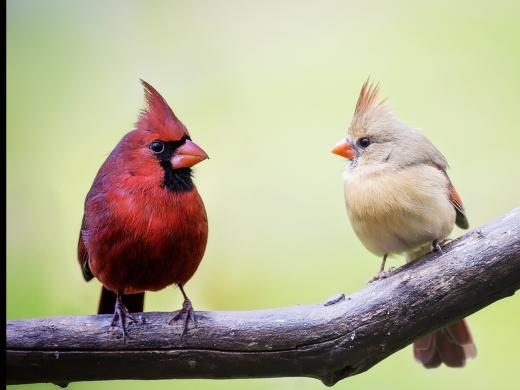
I just love sitting out on my back patio listening to birds sing. One of my favorite things to do is imagine the conversations they’re having. I’ll pretend the cardinals and blue birds are complimenting each other on their beautiful colors.
The goldfinch is telling everyone about the new flowers I just planted.
And that little warbler’s chirping because my bird feeder is almost empty.
I’ve learned how to identify some of the different birds by the sounds they make. That way, I’m not so dependent on my vision. It’s been so much fun for me that I’ve tried to learn as much as I could to attract even more birds to my space.
I found out that native plants are best for birds as they provide the right mix, size, and nutrition they need. So the first thing I did was learn what birds and plants are common to my area. The National Audubon Society’s Native Plant Database was a great resource for that kind of information. And it was right there in Hadley’s resource section.
I learned that birds get their food from the fruits of plants, their seeds, buds, flowers, and nectar. So it helps to choose plants that provide a natural food source. For instance, goldfinches, cardinals, blue jays, and many other seed-loving birds will enjoy coneflowers, black-eyed Susan, and sunflowers.
And I was very excited to find out that plants that are rich in nectar and tubular will attract hummingbirds. I had just planted a big pot of daylilies. Impatiens, zinnias, salvia, and petunias were also on the list. Pink petunias, you’re next.
And speaking of pink, did you know birds have better color vision than humans? I didn’t. But as it turns out, you can actually use a plant’s color to attract birds. So if you’re like me and trying to attract hummingbirds, plant pink and red flowers.
Orange flowers will attract orioles and warblers.
Yellow flowers attract goldfinches, warblers, and hummingbirds.
And not surprisingly, blue flowers attract bluebirds and blue jays.
Another thing I didn’t know was that flashes of white signal danger to birds. So now I avoid bright white flowers.
And I also learned not be in a hurry to cut perennials and ornamental grasses during fall garden clean up. The birds will be very happy to feed on any seed heads you leave standing during the winter.
Now, flowers aren’t the only food source you have to consider. There are bird feeders that are especially designed for a balcony, deck, or patio railing. And just like flowers, different feeders and foods attract different birds. So the type of feeder you choose impacts the kinds of feathered visitors you’re likely to attract.
For instance, tubular feeders have perches that are too small for large birds. They attract finches and other small birds. Best to fill them with thistle seed or another small-bird seed mix.
And a feeder with perches large enough for large birds will attract cardinals, blue jays, grackles, and other big birds. Fill them with nuts and sunflower seeds.
Use a cage hung from a tree that contains suet cakes laced with peanuts or fruit to attract woodpeckers and other species.
You’ll also want to provide a water source. A traditional bird bath will work, but make sure it is not too heavy for your balcony or deck. Your birds will be just as happy with a shallow dish or simple saucer filled with water. One to two inches of water is enough.
Hanging dishes and those that attach to deck railings are good options.
And moving water is a key factor in attracting birds. So consider a solar-powered birdbath fountain or battery-operated water mover. You’ll find a few more ideas in Hadley’s resources section. And remember to clean your birdbath or dish on a regular basis. Birds enjoy clean fresh water.
Now, bird houses and nesting boxes provide safe homes for visiting birds. They come in a wide range of styles, so you’ll need to know the right dimension for the bird house as well as the correct entrance hole size for the birds you want to attract.
For instance, two or three potted evergreens or shrubs, 2 to 3 feet high, make natural hideaways. You can tuck a small birdhouse into the greenery, or simply let the birds nestle in.
Or you can group a number of plant containers together to provide another attractive and safe space.
Just make sure you keep clutter like bikes, grills, and tools to a minimum in your garden space as they can scare the birds.
Wind chimes, windsocks, and spinners will also frighten them.
Refer to NestWatch in our resource section to learn about the right birdhouse for the right bird.
Here’s another thing to keep in mind: Some are even harder to see than others because of their size and drab coloration. So besides the way they sound, having a bit of knowledge about their flight patterns can also enhance your enjoyment of your backyard visitors.
Sparrows, for instance, fly straight to and from the feeder, flapping their wings constantly.
Finches flap their wings intermittently and rise up and down as they fly.
Woodpeckers generally “flap and glide” in their own woodpecker-like manner.
And some birds, like nuthatches—which often land upside down—will even perch differently than others. So knowing a bit about bird behavior can increase your enjoyment without having to rely just on your vision.
As always, contact a learning expert if you have questions or your own tips to share. Of course, as with anything new, give yourself time, patience, and practice, and you’ll get there.
-
Organizations
National Audubon Society's Native Plant Database
Enter your 5-digit zip code to use Audubon’s native plants database and explore the best plants for birds in your area.
-
Products
Squirrel Baffles for Bird Feeders from Amazon
Stop squirrels from getting to your bird feeders.
-
Websites
How to Choose the Best Birdseed
Learn how to choose the best birdseed for your birds.
22 Best Bird Baths and Fountains for Attracting Birds from Birds & Blooms
Explore
-
"Don't let this steal your joy"
Audio · 3 minutes
-
I can’t drive anymore
Resource guide
-
How to Choose the Right Magnifier for Low Vision
Article · 7 minutes
-
Embracing Braille
Discussion
- Explore more
Members also liked
- Video · 7 minutes
- Video · 4 minutes
- Video · 6 minutes
- Video · 3 minutes
Join the Hadley Community
Hadley's resources are always available to you. Create a no-cost Hadley account to go further:
-
Pick up where you left off Everything you start is automatically saved across Hadley.
-
Personalized recommendations We'll suggest resources based on your interests.
-
Join live discussions Live and lively discussions on technology, cooking, and more, all geared toward the community of people living with vision loss.
-
Find peer support Connect with people who understand what you're going through.