
Contracted Braille Writing 1: Alphabetic Wordsigns
Hadley
Contracted Braille Writing Workshop 1 - Alphabetic Wordsigns
Hadley presents Contracted Braille Writing Workshop 1, Alphabetic Wordsigns.
If you don't already know how to read alphabetic wordsigns, we recommend first completing Hadley's Reading Workshop Contracted Braille Workshop 1, Alphabetic Wordsigns.
Begin by putting paper in your writing device using the writing device you have available to you, including the slate and stylus, the Perkins brailler, or an electronic note taker.
Also, you will need your braille workbook. If you don't already have one, call Hadley at 847-784-2816 and we'll mail one right out to you.
This workshop is audio-only, the player controls are at the bottom of the slide. To give yourself time to braille, select the Play/Pause button in the bottom left corner to write and then select it again to continue the audio. And what's great is once you've selected the Play/Pause button, you can use the space bar to play or pause the audio.
And just below the slide, you've been given an adjustable bar for controlling your place in the audio. Selecting the circle and dragging it to the right will move you forward through the audio, and dragging the circle back to the left will move you back or rewind the audio. If you'd like to learn how to control the audio using your keyboard, just reach out to a Hadley Learning Expert.
Okay, first, let's review. Turn to page 1 in the workbook.
Feel the eight alphabetic wordsigns in the top left corner of the page: can, do, like, go, you, but, so, will.
Now let's practice writing these wordsigns in sentences. The sentences you'll be writing will be read in this audio, and the uncontracted braille is provided for your convenience in the workbook.
Turn to page 2 of the workbook to follow along with the uncontracted braille sentences. You can use these uncontracted braille sentences on page 2 through 5 to check the spelling of words and names and to check how numbers and other symbols are to be written. The sentences will be read only once, so the uncontracted braille can also help you recall what you need to write in contracted braille.
Capitalization and punctuation will be read aloud only as needed for clarity, and do not divide words between lines.
Write these sentences in contracted braille. To begin, start on a new line and indent two spaces.
Write this sentence:
Do you like to try new leisure projects?
Starting on a new line, braille:
We will explore a few.
Try writing:
You can go on a walk or hike a trail, comma, but come back prior to sunset.
Now braille the sentence:
If you like books, comma, you can set up a book club.
Next, write:
We love to ride bikes to a cave to see bats fly away at dusk.
Try brailling:
Lucia likes to go on nature walks to see new birds or pond life.
Now write:
I don't feel any desire to fly a plane or climb a tall wall, comma, but you'd like to climb.
Remember, if you have any questions, just call or email a Hadley Braille Expert.
Now try brailling:
Dan gets up to see a lovely sunrise, plus he will see pretty birds.
Next, write the sentence:
I can't knit, comma, but if you do, comma, you can donate baby blankets or booties.
Now, braille:
If you like magic, comma, you will love to do magic tricks to help kids at a hospital.
Next, write:
A trip is fun, comma, so Jen plans trips to new places like Alaska or Hawaii.
Try writing:
If you like to write, comma, you will love to write a family memoir, comma, so memories can go on.
Now braille:
Will likes to swim laps, comma, but I like to simply float on a raft.
Next, write:
You can play music, comma, like a piano, comma, so you don't lose musical skills.
Now braille the sentence:
If you seek culture, comma, you can visit or help at a museum.
Next, braille:
Juan likes to go to lectures or programs at colleges to get new facts.
Now write:
You can plant vegetables or fruit in pots on a deck.
Next, braille:
Do you like to make crafts or go to a craft fair?
Try writing:
If you like antiques, comma, you may like to visit antique malls.
Finally, braille:
If you can't get a pet, comma, you can go help at an animal rescue.
You can now check your work with the contracted braille sentences found on pages 6 through 9 of the workbook.
Note in the seventh sentence that alphabetic wordsigns must stand alone, so the wordsign, do, cannot be used in, don't, because it is touching the letter n. But the wordsign, you, can be used in, you'd, because, you, is not touching the letter d.
Notice that alphabetic wordsigns can be used for names, like Will.
Congratulations, you've learned to write the first set of alphabetic wordsigns.
Again, if you have any questions about the sentences you just brailled, reach out to the Hadley Braille Experts at 847-784-2816. We are happy to help.
Contracted Braille Writing Series
- Video · 7 minutes

- Video · 7 minutes


Explore
-
Questions about Glaucoma
Audio · 28 minutes
-
It's hard to ask for help
Resource guide
-
6 Tips for Gardening with Low Vision
Article · 4 minutes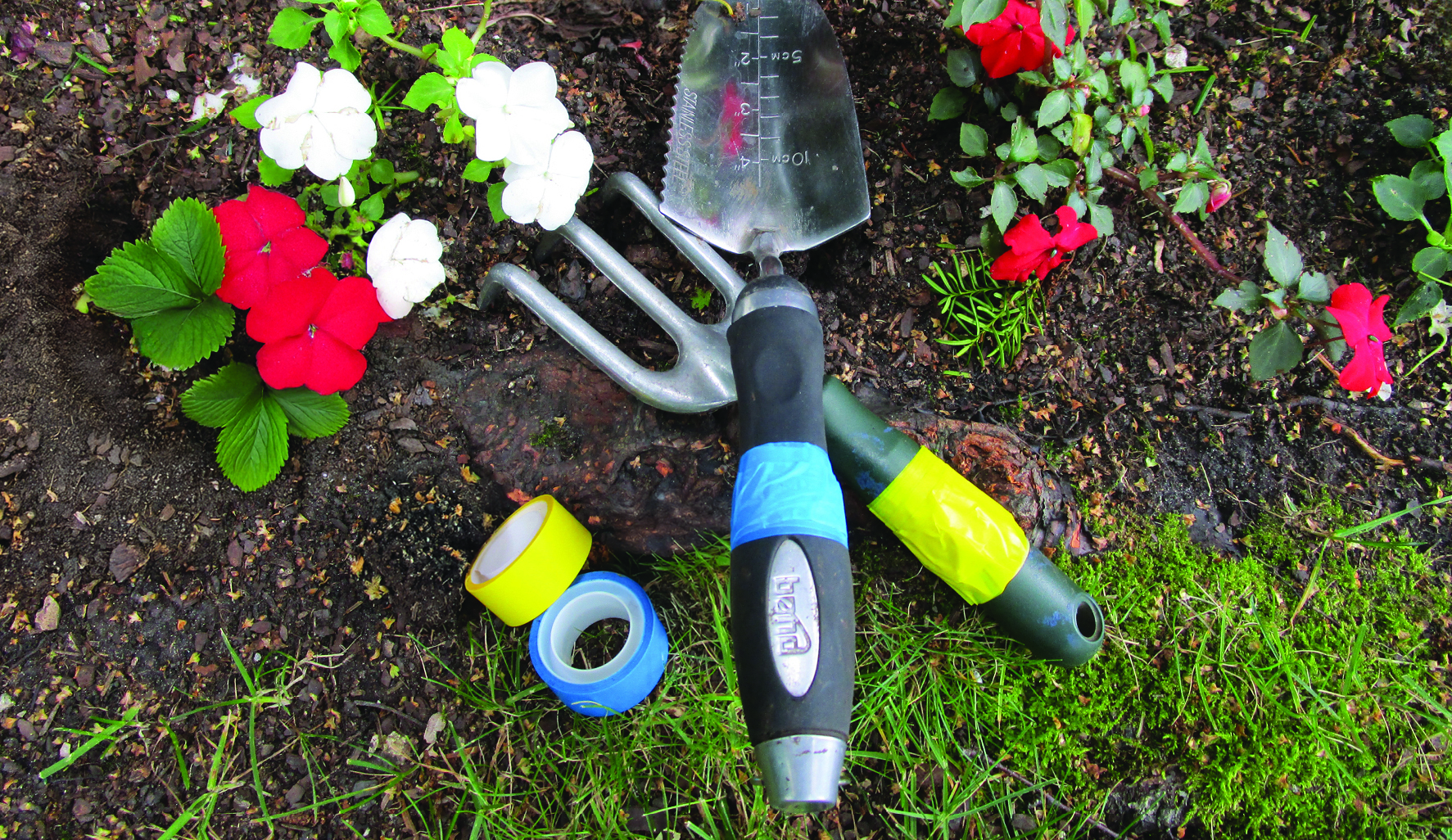
-
What's Cooking?
Discussion
- Explore more
Members also liked
- Workshop
- Video · 10 minutes
- Video · 9 minutes
- Video · 8 minutes
Join the Hadley Community
Hadley's resources are always available to you. Create a no-cost Hadley account to go further:
-
Pick up where you left off Everything you start is automatically saved across Hadley.
-
Personalized recommendations We'll suggest resources based on your interests.
-
Join live discussions Live and lively discussions on technology, cooking, and more, all geared toward the community of people living with vision loss.
-
Find peer support Connect with people who understand what you're going through.