
Weighing the Pros and Cons
Do you find yourself thinking more and more about getting a guide dog to help you? Well, the good news is there are many advantages, but with those advantages comes a lot of responsibility too. You'll need to consider them all. So let's get started.
A guide dog is a constant companion that needs daily care and exercise, even in inclement weather. It also needs a consistent feeding and relieving schedule. Are you prepared to clean up after your dog? And most dogs shed, how do you feel about having for on your clothing and or throughout the house? And having one may not even be an option if there are members of your household that have allergies.
And yes, there are the costs of owning a dog. There are vet bills, grooming, food, and kenneling to consider. What about other animals or pets that are in the home? The guide dog has to be the priority, which means the other animals or pets will need to readjust, can that be done successfully? Also, not all the costs are monetary. Having a guide dog may even mean being denied access to public facilities, housing, or rideshare services. It's not right, but it does happen. So it's just something to consider.
Now passers by can be quite curious when it comes to guide dogs, they may want to ask questions about your dog or even you and your visual impairment. The presence of a guide dog is likely to make you, the handler, seem more approachable. In some situations, and for some people, that could be a major plus, but it's not for everyone, so it's something to weigh into your decision.
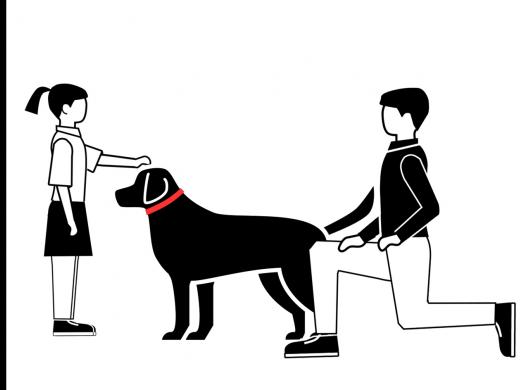
Many people you meet won't understand that your dog is working while in harness. They may simply want to pet him or have their dog play with him. You will need to correct that misperception in order to keep yourself safe and in control. And there may also be times when you're making necessary corrections with your dog or asking people not to touch or distract him will feel awkward, will you be okay with that? And you'll also need to be prepared for people to ignore you, the handler, and focus only on the dog, trying to pet or talk to it.
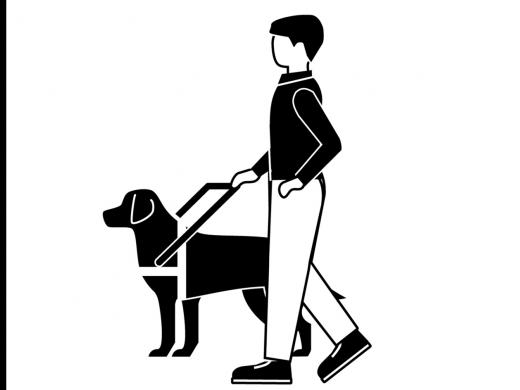
Okay, that's a lot to think about, but now that we've gotten the hard part out of the way, for some people we know the advantages of having a service dog outweigh everything else. If the thought of having constant companionship puts a smile on your face, a guide dog may be for you. In many ways it can help lower your level of stress just by having them nearby. When you're out and about a guide dog can make a big difference. They're trained to stop at curbs to avoid the path of oncoming traffic and in elevation changes like steps and curbs.
You'll also be able to walk at a faster pace than you otherwise may have been able to with the cane. Cane use, of course, requires contact with the pavement, steps, and curbs and such, that's why it typically takes a bit longer for cane travel than when walking with a guide dog. The dog will also guide you away from obstacles you might not be aware were even there, things that could otherwise strike you in the head or chest. And using a guide dog will also help you to walk a straight line and find specific places like doorways, steps, or a chair.
And here's something else to think about all of that daily exercise and care we mentioned you'd have to do for the dog, you could very well see an improvement in your own health because you'll be getting daily exercise too. Now that puts a positive spin on it, don't you think?
As always, contact a learning expert if you have questions or want to continue learning more about how a guide dog can fit into your life. Of course, as with anything new, give yourself time, patience, and practice, and you'll get there.
-
Websites
Cost of Owning A Dog: Averages and Most Expensive Breeds
Learn about the cost of owning a dog, including food, medical care, and pet insurance costs.
ADA Requirements: Service Animals
Learn about the U.S. Department of Justice's regulations regarding service animals.
Guide Dogs Series
- Video · 3 minutes
- Video · 4 minutes
Explore
-
"It's not often we encounter an angel"
Audio · 6 minutes
-
Just Diagnosed with Vision Loss? Now What?
Resource guide
-
Alexa, How Does Hadley Help?
Article · 2 minutes
-
Book Nook
Discussion
- Explore more
Members also liked
- Video · 3 minutes

- Video · 3 minutes

- Video · 6 minutes

- Video · 3 minutes
Join the Hadley Community
Hadley's resources are always available to you. Create a no-cost Hadley account to go further:
-
Pick up where you left off Everything you start is automatically saved across Hadley.
-
Personalized recommendations We'll suggest resources based on your interests.
-
Join live discussions Live and lively discussions on technology, cooking, and more, all geared toward the community of people living with vision loss.
-
Find peer support Connect with people who understand what you're going through.