
Living with Cataracts
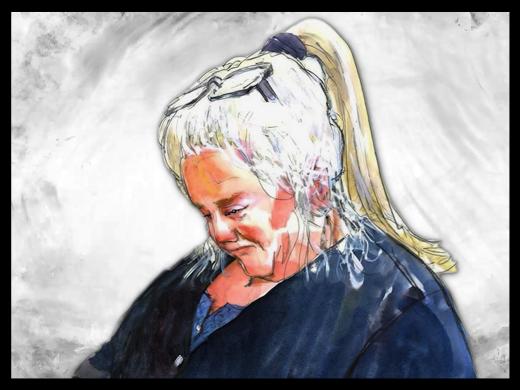
Zenobia: My name is Zenobia Carson. I live in Brooklyn Park, Minnesota. I'm an avid reader, and when my eyesight began to dim a couple of years ago, and I was also let go from a job, I didn't know where to turn. I didn't wanna be a burden on anyone, and I didn't take offers to find help.
Let's take a look at how cataracts can affect some of the most common things we do, along with some tips that might make some of these tasks just a bit easier.
If you have cataracts, that means the lens in your eye, which is typically clear, becomes cloudy. Now light travels through your lens, so if your lens gets cloudy, things can look blurry or hazy. Colors can become muted or kind of washed out, and you're just not going to see things clearly.
It might be a bit like looking through wax paper or a pair of foggy glasses. This can make tasks like pouring without spilling really tricky.
Some small adjustments can make a huge difference, like placing the cup right on the spout, feeling the warmth rise as the cup fills, and hearing the sounds change as it gets full. Another great tip is to pour coffee into a light colored cup instead of a dark colored cup.
Now cataracts will continue to develop over time, and as your vision changes, you might find that your living space appears darker or seems to be full of shadows. One thing that's helpful is to have good lighting throughout your home. That means placing lights in hallways, entryways, in the top and bottom of stairways. This will help to get rid of shadows in dark areas, and this means that your eyes aren't having to constantly adjust. Just a few simple changes can make us feel so much safer, and safety is so important. If your vision is cloudy and you're not seeing clearly enough to know what's ahead of you, falling can be a real risk.
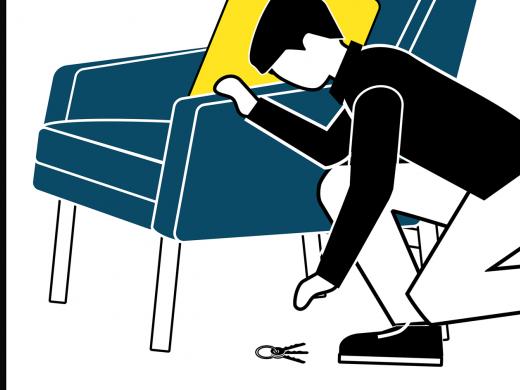
And hey, no one wants to trip and fall. So reducing clutter is so important. This is a real team effort for everyone we live with, and it's important that they understand that furniture should never be moved or rearranged without first letting you know.
Tips like keeping cabinet and appliance doors closed, keeping walkways clear of cords and area rugs, and closing interior and entryway doors will go a long way in helping you move around safely.
You know, when you're experiencing vision loss, it can be difficult to talk to others about it. That's why we created a workshop on the topic. It's part of our Adjusting to Vision Loss Series. Hadley's Adjustment series is all about taking control of your vision loss. Just having a strategy and being prepared can make sharing so much easier.
Discovering ways to adapt to your vision loss and knowing how to get around safely can be truly empowering. Although it might be a little scary at first, you'll start to learn to do things in new ways. You'll realize that you won't have to stop doing the things you love to do, but you may need to find a different way to do it. The adjustment series, along with all of the workshops mentioned, can be found right here on the Hadley website.
Zenobia: I have very low vision, and going from being a visual person or a seeing person to being able to not see much at all is a great leap for anyone. And the encouragement that I've received from friends who finally figured out the truth that I was not seeing as well as I used to, I became more comfortable with sharing my day-to-day distress sometimes or my day-to-day happiness. It just gives me a sense of wellbeing to know that I'm not alone. I've not been thrown away. I'm not being ignored, and I am still very, very capable of doing many things.
-
Handouts
Questions to Ask Your Eye Doctor (PDF)
Here's a list of important questions to take when you're visiting your eye doctor, to get the information you need.
-
Websites
Hadley's Low Vision workshop series
These workshops help you find ways to increase contrast, improve lighting, and reduce glare.
Living with Cataracts
- Video · 3 minutes

- Video · 6 minutes
- Video · 4 minutes
- Video · 9 minutes
Explore
-
Emotional Adjustment to Vision Loss: Twin Perspectives
Audio · 28 minutes
-
A family member has vision loss
Resource guide
-
Vision Issues After a Stroke
Article · 7 minutes
-
Embracing Braille
Discussion
- Explore more
Members also liked
- Video · 4 minutes
- Video · 5 minutes
- Video · 5 minutes
- Video · 7 minutes
Join the Hadley Community
Hadley's resources are always available to you. Create a no-cost Hadley account to go further:
-
Pick up where you left off Everything you start is automatically saved across Hadley.
-
Personalized recommendations We'll suggest resources based on your interests.
-
Join live discussions Live and lively discussions on technology, cooking, and more, all geared toward the community of people living with vision loss.
-
Find peer support Connect with people who understand what you're going through.