
Glare
Our eyes change as they age. It’s harder for them to absorb the same amount of light as they used to. So while we may find we need more light shining on the things we want to see, we also may notice that we want less light on the things that we don’t. That extra light, shining where we don’t need it, is called glare.
You may have noticed places where glare is already a problem: in big stores with bright fluorescent lights, or out in the yard on a really sunny day. Glare can tire out our eyes and even reduce the contrast and clarity of things we want to see. So reducing glare can change the way we see for the better.
Glare sensitivity usually comes on slowly. That means we may not even realize how much glare is interfering with our vision. So changes that reduce glare at home can make a surprising difference. Let’s look at lighting first.
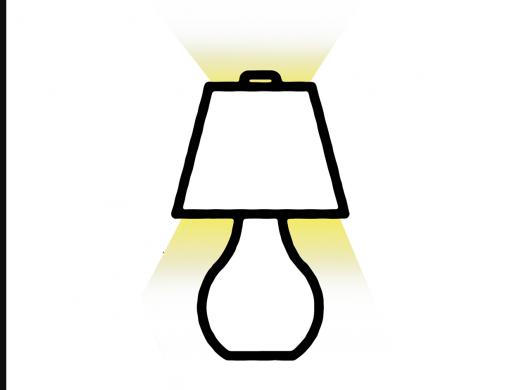
Light shades are a great place to start. Opaque shades work well to keep light shining down or up, but not into our eyes. And they’ll work better if they are always below eye level—then the light we need is where we want it, and not causing glare.
Light shades can also be fitted with diffusers. Diffusers are shields that fit inside the top or bottom of a lampshade. They are useful when you want your lamp or light to do only one thing—brighten up a ceiling, or just shine down on a tabletop. And a reminder—some light bulbs, like halogen bulbs, get very hot, so keep fire safety in mind when you choose your shades.
Simple things like changing the angle of your lighting can help. Light sources placed to the right or left or even behind you work much better than ones shining right in front.
And the same is true for sunlight coming in the windows. Window blinds are an easy way to angle sunlight up at the ceiling, not straight out into the room. Window blinds or shades can also filter sunlight, or even be closed on days when the sun is too bright.
Finally, there are lots of options for lighting that your electrician can help with—from dimmer switches to smart bulbs, there are plenty of ways to keep lights from causing glare.
Aside from lighting, there are other sources of glare around the house. Shiny surfaces reflect light and cause glare. So, find your shiny surfaces and think about changing them: Cover any glass or reflective tabletops with cloths or placemats. Make sure mirrors aren’t reflecting light from windows. High gloss tiles or wood floors reflect less light if they are carpeted. Matte wall paint is gentler on the eyes than gloss and colors like beige, pink, or peach reflect less light than blue or white. And pay attention to stairs—the less glare there the better, so matte paint on treads and tread edges marked with a contrasting color can make them easier to see and safer to use.
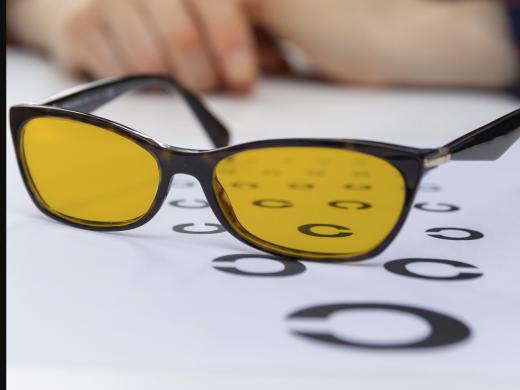
If you’re doing something up close, do it over a surface with a rough or dull finish. And print on glossy white paper is less hard on the eyes when you cover it with a sheet of clear yellow plastic laminate.
Last but not least, don’t forget your TV or computer screen. Keep light from shining directly on them, but do have some light in the room—screens can cause glare all by themselves in a dark space.
To learn more about glare and ways to make home lighting work for you, contact a Hadley Learning Expert. They’ll have lots of tips to make your home a place that’s easier on the eyes.
-
Handouts
Here are some tips and takeaways from this workshop. Feel free to share the link!
Low Vision Series
- Video · 4 minutes
- Video · 6 minutes
- Video · 5 minutes
- Video · 3 minutes
Explore
-
Voting with Vision Loss
Audio · 27 minutes
-
A family member has vision loss
Resource guide
-
Denial and Pretending: Where many vision loss journeys begin
Article · 4 minutes
-
Tech It Out
Discussion
- Explore more
Members also liked
- Video · 3 minutes

- Video · 5 minutes
- Video · 4 minutes
- Video · 5 minutes

Join the Hadley Community
Hadley's resources are always available to you. Create a no-cost Hadley account to go further:
-
Pick up where you left off Everything you start is automatically saved across Hadley.
-
Personalized recommendations We'll suggest resources based on your interests.
-
Join live discussions Live and lively discussions on technology, cooking, and more, all geared toward the community of people living with vision loss.
-
Find peer support Connect with people who understand what you're going through.