
Low Vision: From the Corner of Your Eye
It’s automatic: When we want to really see something we look straight at it. That’s natural. Our brains have been trained to use the part of our vision that’s best at picking out details: the center part.
With some types of vision loss, though, like macular degeneration, the center of our vision is affected first. We develop a blurry or blind spot in just the area of the eye we use most of all.
But even when our central vision is no longer dependable, there may be portions of our eye that still work just fine. Some people, with the help of professional training and practice, learn how to use those unaffected areas of the eye to do the job that their central vision used to do – to see more clearly far away and close up. Vision professionals call this skill Eccentric Viewing.
It’s common to hear people say: “I saw it out of the corner of my eye”. What they mean when they say this is that they’ve used their side vision (also called peripheral vision) to see something. What most folks don’t realize is how useful side vision can be, especially when central vision is clouded. But using side vision as our main tool for seeing takes some time and usually involves some practice. Why? Because to get the best out of our side vision we need to re-train our brain and the way we see -and that takes some effort.
Just like learning any new skill, Eccentric Viewing starts with the basics. We’ll need a teacher or trainer - and that’s where the role of a vision professional comes in. A Low Vision Therapist or another professional trained in low vision will check our eyesight and help us find our best eye for seeing and the spot on that eye that sees the clearest. Then they’ll show us how to use that spot to see what our central vision can’t.
Now comes the practice – we’ll need to train our brain to use that spot of good vision whenever we want to see details. Using that good spot of vision means we’ll have to move the center of our vision away from what we want to see. That seems strange, right? We’re so used to looking straight at things that our brain is just wired that way. We have to re-wire it. Our vision professional will supply us with exercises and activities to help us along. And we’ll likely be asked to return for several check-ups as they keep track of our progress and help us improve our technique.
Once Eccentric Viewing, or using our side vision, is mastered, however, it can make a huge difference. Seeing expressions on people’s faces or details on the television can be possible. It’s almost like pushing a curtain out of the way to look out a window. Our side vision will never be as sharp as our central vision, but it’s a great substitute. We can use it for getting around outside, and with the help of magnifiers, even for reading.
There is lots of help out there for folks who want to learn how to see better with their side vision. It may take a bit of time, but Eccentric Viewing can be a useful tool. Contact your learning expert to find out how to get started.
-
Handouts
This handout provides ideas for using eccentric fixation to help you see more effectively.
This handout has tips and ideas to increase your reading speed.
This handout provides other ways to improve your reading speed by using technology, apps, and special services.
This handout gives information about different visual patterns and ideas that can help you find an item, avoid an obstacle, or complete a task.
This handout provides ways to work on visual tracking.
-
Products
-
Smartphone Apps
Voice Dream Reader (Android and iOS)
Voice Dream Reader is a reading tool that has several reading options and can be used to set voices and control reading speeds.
Dolphin EasyReader (Android and iOS)
Dolphin EasyReader is a free accessible reading app to access your favorite books, newspapers, or copy and paste text from anywhere on your smart device.
Low Vision Series
- Video · 6 minutes
- Video · 5 minutes
- Video · 4 minutes
- Video · 4 minutes
Explore
-
"I found the support I needed"
Audio · 3 minutes
-
It’s hard to ask for help. Now What?
Resource guide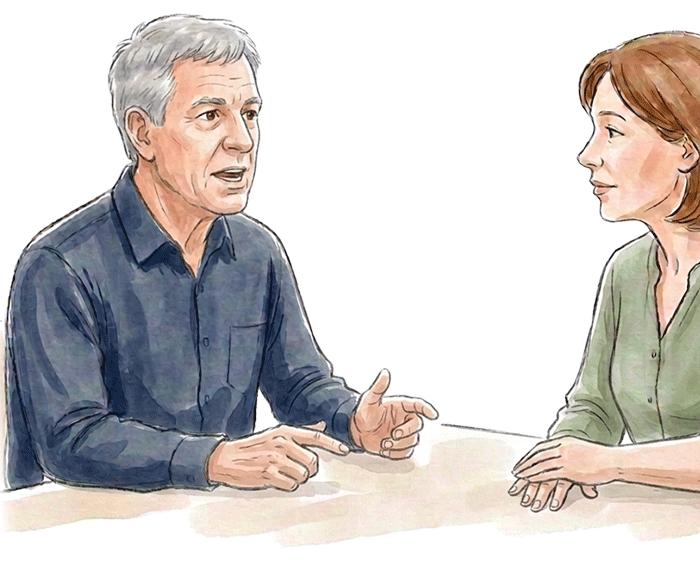
-
Vision Loss and Fall Prevention: 5 Home Changes
Article · 4 minutes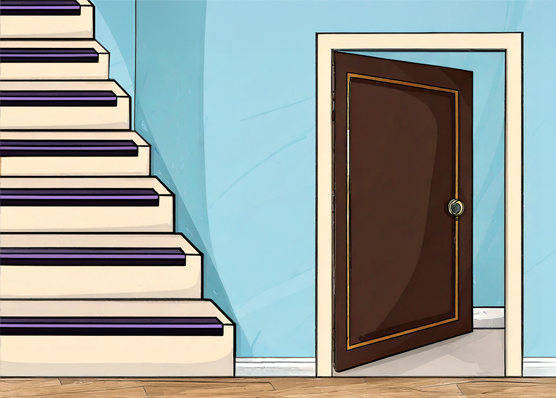
-
Recreation Chat
Discussion
- Explore more
Members also liked
- Video · 3 minutes

- Video · 4 minutes
- Video · 6 minutes
- Video · 4 minutes
Join the Hadley Community
Hadley's resources are always available to you. Create a no-cost Hadley account to go further:
-
Pick up where you left off Everything you start is automatically saved across Hadley.
-
Personalized recommendations We'll suggest resources based on your interests.
-
Join live discussions Live and lively discussions on technology, cooking, and more, all geared toward the community of people living with vision loss.
-
Find peer support Connect with people who understand what you're going through.