
Handheld Magnifiers
Sometimes our prescription glasses just can't do the job when we're trying to see small print or details. So what's the first thing we think of that might give our vision a boost? If you said a magnifier, you'd be right.
We usually have one around the house. Right? Or they're easily purchased at a nearby drug store but magnifiers come in a lot of different shapes and sizes and having the right one and knowing exactly how to use it can make a huge difference. In this workshop, we're going to talk about a certain kind of magnifier, the kind that you hold in your hand and has a glass lens.
There are other types which we cover in other workshops, but for now we'll concentrate on what are technically called optical magnifiers.
Let's jump right in and take a look at some of our options. Two of the easiest types to use are a dome magnifier and a stand magnifier. Why? Because they sit flat on what you want to read and you don't have to hold them steady. You just move them across the print you're reading. A dome magnifier looks exactly like it sounds. Like a large round paperweight that's flat on the bottom, a solid dome of glass.
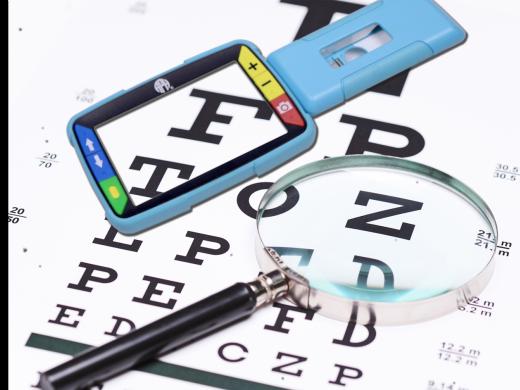
A stand magnifier has a lens mounted in a kind of cup or frame that's exactly the right height to keep things focused when you put it flat on your reading material. It usually has a handle to make it easy to move it across a line of print and many models come with light. Makes what you're trying to see brighter.
But most of the magnifiers we're familiar with, are the simple handheld magnifiers. If you've used one, you know, you have to hold them steady and hold them at the right distance from what you're trying to see. To find that right distance is pretty simple. Start by resting the magnifier on what you want to look at. Slowly move the magnifier towards your eyes and stop when things are most clear. Remember to keep your eye, the magnifier and what you're looking at, all in a straight line. Don't look through at an angle. And although most magnifiers will focus at a distance of five inches from what you're looking at. The general rule is that the stronger the lens the closer it has to get.
Once you've got things in focus, you'll also want to experiment with holding your eye at different distances from the magnifier. The main thing to bear in mind is that the closer your eye is to the magnifier, the more of the image you're able to see. All this means you'll have to hold your magnifier pretty steady and that can be tiring. So sometimes handheld magnifiers are great for short jobs like reading labels but not for long ones like reading newspapers.
We've all seen the basic magnifiers we can buy at our local drug store and we may have quickly discovered that they're not very powerful. It's natural to look at the strongest magnifier we can find. Right? But there's something to keep in mind. The stronger the magnifier, the less we see of the image we want to magnify.
A really high powered magnifier might bring newspaper print into focus but you'll only see two or three letters at a time. So wouldn't a really big lens solve that problem. A lens big enough say to cover an entire magazine page. Unfortunately, no. The stronger a lens is the smaller it gets. A lens big enough to cover a page of print won't be strong enough to be of much help. What you'll need is a magnifier that's powerful enough to bring things into focus, but also with a big enough lens to see as much of your image as you can. And the best way to find that balance is to try a whole bunch of magnifiers.
You might actually need several different kinds depending on the job you want them to do. Luckily, they're vision professionals who can help with this and a visit with one of these experts will give you your best chance at finding a handheld magnifier that works for your unique needs.
Check out our resources to learn about who these professionals are and how they can provide you with the options and expert training that ensure you have the right magnifier for the right job and don't hesitate to contact the learning expert to learn more about magnification and how you can use it to make your daily tasks easier.
-
Products
Handheld Magnifiers from Eschenbach Optik of America
High-quality optical magnifiers and monoculars and resources for low vision.
LS&S sells a variety of magnifiers, monoculars, handheld and desktop video magnifiers. Phone: (800) 468-4789
MaxiAids sells a variety of magnifiers, monoculars, handheld and desktop video magnifiers. Phone: (800) 522-6294
Independent Living Aids sells a variety of magnifiers, monoculars, handheld and desktop video magnifiers. Phone: (800) 537-2118
Sharper Vision from Wisconsin Council of the Blind & Visually Impaired
Sharper Vision catalog sells a variety of magnifiers, monoculars, handheld and desktop video magnifiers. Phone (800) 783-5213
Manufacturer of blindness and low vision products, including handheld, portable, and desktop video magnifiers. Phone: (800) 444-4443
-
Websites
What is Low Vision? from Eschenbach Optik of America
Demonstration of Optical Magnifiers for Low Vision from InFocus (YouTube Video)
Stand Magnifiers for Low Vision from EyeCarePro (YouTube Video)
Low Vision Quick Tip - Magnifier Tool from The Blind Life (YouTube Video)
Tips for Using a Handheld Magnifier from Second Sense (YouTube Video)
Polly Abbott, Certified Vision Rehabilitation Therapist demonstrates the most effective way to use a handheld magnifier when reading.
Magnifiers Series
- Video · 5 minutes
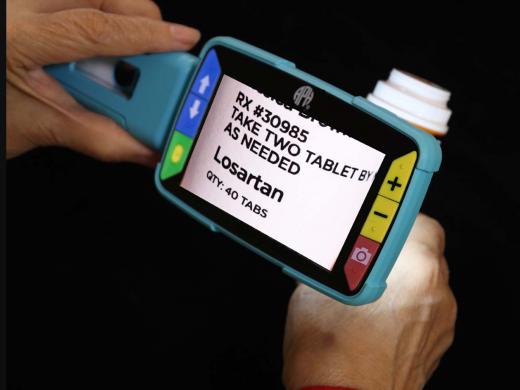
- Video · 6 minutes
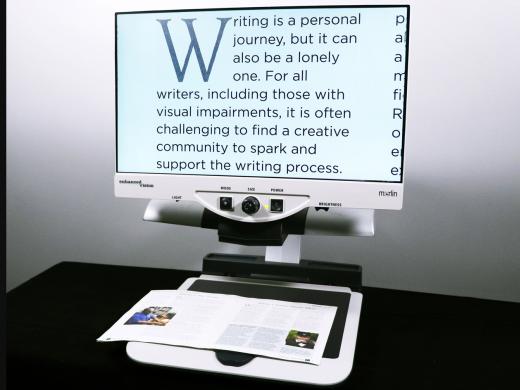
- Video · 4 minutes
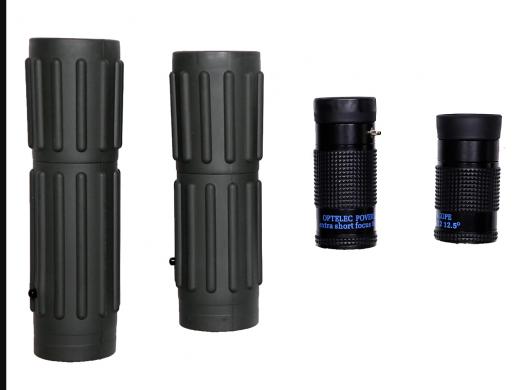
Explore
-
"Sometimes you can't help but laugh"
Audio · 7 minutes
-
I'm struggling to read. Now What?
Resource guide
-
Shopping Your Way: Grocery Options When You Have Vision Loss
Article · 3 minutes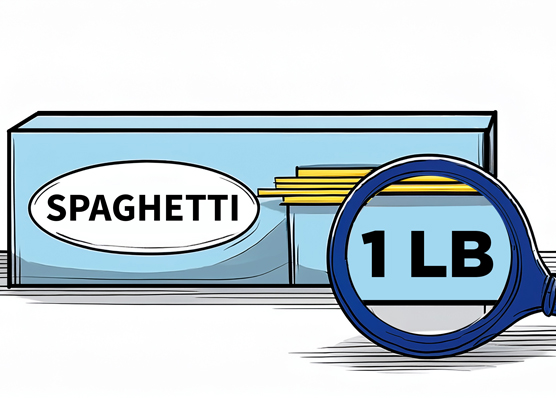
-
Recreation Chat
Discussion
- Explore more
Members also liked
- Video · 4 minutes

- Video · 5 minutes
- Video · 5 minutes
- Video · 3 minutes

Join the Hadley Community
Hadley's resources are always available to you. Create a no-cost Hadley account to go further:
-
Pick up where you left off Everything you start is automatically saved across Hadley.
-
Personalized recommendations We'll suggest resources based on your interests.
-
Join live discussions Live and lively discussions on technology, cooking, and more, all geared toward the community of people living with vision loss.
-
Find peer support Connect with people who understand what you're going through.