
Using Landmarks and Clues
There's a lot of useful information you can get from the environment around you, information you can pick up on to help you figure out where you are and how to get where you want to go. And this can be really helpful, no matter your level of vision.
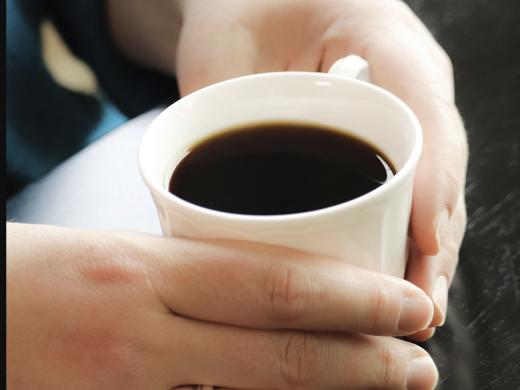
The smell of coffee at the 24-hour diner means you're three blocks from your house. The sound of a fountain in a neighborhood park that tells you the grocery store is on the next corner. These landmarks, as we call them in this workshop, are useful tools that can help you feel more confident about knowing where you are, even if you can't see all that much.
A landmark is something you can easily recognize that doesn't move and is specific to a certain location. They can be objects, smells, sounds, or temperatures. Objects in your home can be used as landmarks like the bathroom sink, a wall mounted TV, even the floor when it goes from tile to wood or carpet helps you know where. In your neighborhood, objects like park benches, fire hydrants, bus shelters, and trees can also be useful landmarks.
Sounds can be great landmarks. In your home for instance, the sound of the filter running in your fish tank or the ticking of a grandfather clock lets you know you're in or close to the family room. On the street, the regular passing of the commuter train tells you what side of the rail line you're on or whether you're walking downtown or uptown. You can also locate what you need faster by using reference landmarks at home. For instance, if you always keep your keys in a dish to the right of the refrigerator, you'll cut down on the search time when you need them. Your refrigerator is your trusty landmark.
Landmarks can also help you move in a straight line. When traveling from one end of a room to another, you can keep yourself from veering by lining your toes up at the edge between the tile and the carpeting before crossing. Places you visit often like your grocery store have many landmarks. The smell of baked goods lets you know you're near the bakery section. Hearing the whir of running freezers lets you know you're in the frozen section and you can tell you're in the dairy section by feeling the temperature change as you walk past the open refrigerators.
Once you identify your landmarks, you'll want to become familiar with them, so start at the landmark then point to and name any objects you can locate from there. Next, speak the route you'll take to move from a landmark to each object. Then walk back and forth between the landmark and each object. Now move to a new position, but keep in mind where the landmark is located. Practice walking back and forth between the new location and each object.
Clues are means of getting information about where you want to go. Just like landmarks, clues can be objects, smells, sounds, and temperatures. But unlike landmarks, clues can be moved or aren't always present. So the best way to use clues is with other information you know about the location to draw conclusions about how to get from one point to another.
For instance, the doormat outside your neighbor's apartment is a clue you can use to locate your own apartment, but it's just a clue because when the neighbor takes it in to clean it that day, it won't be there. The smell of plugin air fresheners can help you find the bathroom, but when an air freshener needs to be replaced, you won't be able to rely on its smell anymore. The wash cycle on your dishwasher lets you know you're near the kitchen, but this clue can only be heard when someone is doing dishes.
On sunny days, you can feel the sun's warmth coming through your windows to figure out which room you're entering. In the community, the sound of automatic doors can help you find an entrance or exit, but they only work, of course, when someone's entering or exiting. When it's open, the smell of fresh laundry coming from the laundromat lets you know you're only a block away from the post office.
You might feel a temperature change as you pass through a glass corridor at the hospital. You can use the clue to tell if you're headed in the right direction for your next appointment.
As always, if you want to learn more about using landmarks and clues in your home and community, reach out to a Hadley learning expert for more information. Of course, as with anything new, give yourself time, patience, and practice, and you'll get there.
Navigating Unfamiliar Places and Spaces Series
- Video · 8 minutes

- Video · 4 minutes
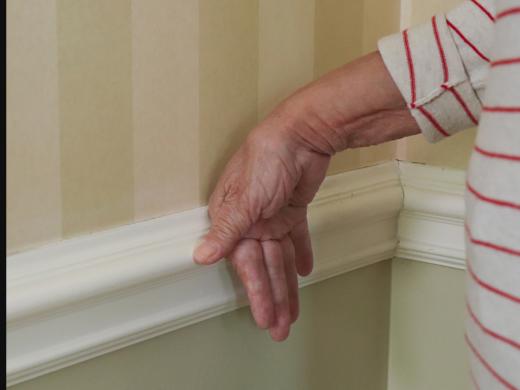
- Video · 4 minutes
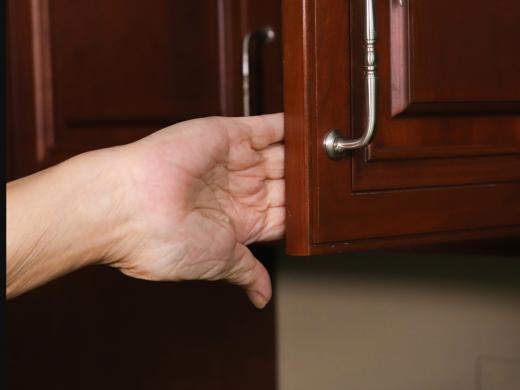
- Video · 5 minutes
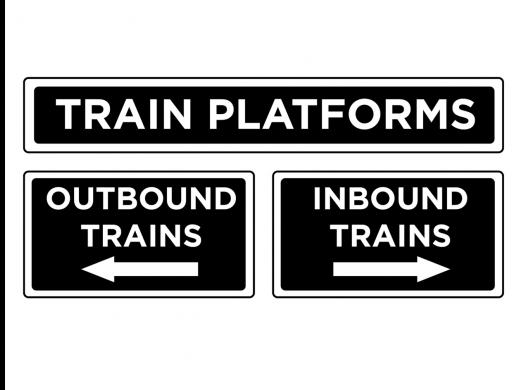
Explore
-
Tech Tools for Vision Loss, From Low to High Tech
Audio · 23 minutes
-
I was just diagnosed
Resource guide
-
Is It Expired? 5 Ways to Know with Vision Loss
Article · 4 minutes
-
Tech It Out
Discussion
- Explore more
Members also liked
- Video · 3 minutes
- Video · 4 minutes
- Video · 3 minutes
- Video · 6 minutes
Join the Hadley Community
Hadley's resources are always available to you. Create a no-cost Hadley account to go further:
-
Pick up where you left off Everything you start is automatically saved across Hadley.
-
Personalized recommendations We'll suggest resources based on your interests.
-
Join live discussions Live and lively discussions on technology, cooking, and more, all geared toward the community of people living with vision loss.
-
Find peer support Connect with people who understand what you're going through.