
Running
There’s nothing like heading out for a run to get your muscles moving and your heart pumping. And whether you’re jogging for exercise or racing for that competitive thrill, all you need is a little support and a few helpful tips to … well … hit the ground running–no matter your level of vision.
The first step to running with vision loss is to have a sighted buddy, or guide, to go with you. There are many running groups that can help pair you with a guide. And if you already have a friend who wants to guide you, these groups and their websites offer some great tips. Check out the resource section for more information.
You’ll want to find a running guide who’s at least as fast and as strong as you. That way, they can talk while running at your speed. And if you’re planning to run together by holding a rope or a strap, you should both be about the same height. We’ll cover that technique in a minute.
When you first meet with your running guide, help them understand your vision and your needs. Let them know what you can and can’t see. And talk about safety, too. You want to feel confident that they have the skill and energy to move around obstacles, as well as good judgement to guide you safely. Tell your running guide how fast you like to run, and the distance you like to cover. And talk about things like how competitive you are, and any limitations you have.
When you’re running with a guide, the most common method is to run side-by-side, holding a strap, or tether, between you. Use a short length of rope or a shoestring, a stretchy workout band, or even a short pole—whatever’s comfortable for you. Make sure it’s long enough to give you plenty of room to move but short enough that you stay close to your guide. Both runners should hold the tether gently, and be sure not to loop it around your wrist. If one of you trips or falls, the other runner can let go and stay upright.
If you have low vision, another method is to run directly behind your guide, without a tether. The guide should wear bright clothing—a reflective vest or bright neon bands around their wrists or ankles to help you see them. You can wear a bright headlamp to help you see more easily and light up any reflective equipment your guide is wearing. This is really helpful if you’re running early in the morning or when it’s getting dark.
Whatever method you choose—side-by-side or front-to-back—your running guide’s biggest job is to communicate. They’ll tell you about street crossings, changes in the running surface, when to step on or off a curb, when to turn, and how to avoid obstacles. They can also let you know when you’re approaching a water station or a restroom.
Talk with your guide to develop signaling cues that work for you. And if you like to listen to music, be sure to use an earbud in only one ear. That way, you can still hear your guide and other important sounds.
If you have access to a track, that’s a great place to practice guided running. The surface is flat and free of obstacles, and the painted markings have great contrast for people with low vision.
When you and your guide are ready to head out for a run, be sure to plan where you’re going, as well as the distance or time. You might want to walk the route together the first time, especially if you have a regular path you want to get used to.
If you’re getting ready for a race, it’s also a good idea to check out the race route. You’ll learn about the running surface, the hills and turns, and any tricky spots ahead of time.
As always, if you need more information or you've got your own tips to share, contact a Hadley learning expert. Of course, as with anything new, give yourself time, patience, and practice, and you'll get there.
-
Products
Use this safety vest to ensure high visibility in both dark and light conditions.
Use this tether and accompanying talking pedometers to walk/run safely with a human guide.
-
Websites
This website is a tool for uniting visually impaired runners and sighted guides.
Sports and Exercise Series
- Video · 4 minutes
- Video · 6 minutes
- Video · 8 minutes
- Video · 5 minutes
Explore
-
Vision Loss and Self-Discovery
Audio · 27 minutes
-
I was just diagnosed
Resource guide
-
Using Your Phone without Reading the Screen
Article · 5 minutes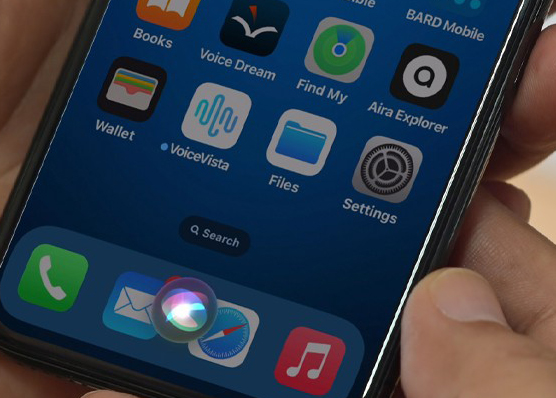
-
Book Nook
Discussion
- Explore more
Members also liked
- Video · 3 minutes

- Video · 3 minutes

- Video · 6 minutes

- Video · 9 minutes
Join the Hadley Community
Hadley's resources are always available to you. Create a no-cost Hadley account to go further:
-
Pick up where you left off Everything you start is automatically saved across Hadley.
-
Personalized recommendations We'll suggest resources based on your interests.
-
Join live discussions Live and lively discussions on technology, cooking, and more, all geared toward the community of people living with vision loss.
-
Find peer support Connect with people who understand what you're going through.