
When Emotions Feel Overwhelming
Emma: My name is Emma. My blindness occurred four years ago. I went to the doctor in November, found out, I went blind in March. I didn't have time for preparation. I had been around maybe just a couple of blind people in my life. I didn't know the challenges they had, but then when it hit me smack in the face, it was totally different.
I was a teacher, and I loved to travel, seeing things, writing down things, sending memos out to people, sending cards out to people. All of a sudden I went blind. I couldn't even write my own name. It's just a mess. And people are saying, “It's all right.” And that still encourages me, saying, “It's all right, Emma. Even if you didn't write your name on the line, you wrote your name, you're still progressing.”
The frustrating times that I run into is when I turn around sometimes and I get lost. You can get lost in your own home. And I just sometimes have to just stop and scream. And then I settle down and I touch something and I remember, this is where I am. Emma, this is where you are. Settle down. This is something you're going through. This isn't the end of the road for you.” And that's how I make it on a day-to-day basis.
Someone introduced me to Hadley. They got me up with two ladies. We talk, we laugh, and it feels like I am not alone. They make me feel special. They have helped my self-esteem. They have helped me grow as a person. It's hard enough being blind and you feel sort of insecure, and your self-esteem has sort of plummet. I get on the phone, I talk with them, and I laugh and talk with them, feel like I know them.
This blindness is totally new to me. It was something that I'd never thought would happen to me. It was something that it was hard for me to accept. Then I feel like, Emma, you can make it. This journey has not ended. It's just a fork in the road.
Narrator: Emma touches on several things that affect so many living with vision loss. Sometimes things just set us off or automatically bring us down. Little moments can hit us really hard, and sometimes our reaction builds up over time. So even if we are able to manage our feelings the first few times, on the fifth, sixth, or 50th time, we find ourselves shutting down or blowing up at something, or someone, over a seemingly minor incident. It just happens, to just about all of us.
So let's dive in and explore some very common scenarios where vision loss tends to trigger strong reactions. Then we'll share what kinds of things others have found helpful to work through these moments and regain some control and peace of mind.
First off, let's talk about how frustrated we can get with ourselves when we've lost some vision—moments when we may just feel like giving up. One common scenario, as Emma shared, involves signing your name, something you have done countless times in your lifetime without a moment's thought. But when you've lost some vision, this routine request can trigger feelings of anger, sadness, and doubt.
Something else that comes up all the time is how we feel when we get lost or turned around. Not knowing where we are can trigger panic and anxiety and anger. You may find yourself angry and sad at the same time as, Emma did. You may burst out in tears at this point, scream out, or shut down and quit trying altogether.
For others, frustration with family members or friends builds up over time. You just can't see that blasted footstool when it's moved away from the chair, or that cabinet door when it's left open, and you’re tired of running into them and having the bruises to show for it. Why don't they get it?
And for those with low vision, there can be a sense that you have to continually explain to people what you can and can't see, depending on the lighting, the setting, and even how tired your eyes are. Sometimes it may even feel like you're having to justify your vision loss. When people say things like, “You don't look blind.” That one stings. It's like your experience is invisible.
Lashing out or shutting down in these scenarios is not uncommon. So we may automatically feel panicked, sad, frustrated, or angry due to vision loss, but what we do next can make all the difference. How do we work through these automatic reactions in a way that is helpful and puts us back in control?
First off, pay attention to the times you are feeling automatically angered or frustrated or in a panic by something. For Emma, she feels panicked and angry at feeling turned around in her home. She stops and screams when this happens to her. Then she grounds herself by touching something and talks to herself as if there was another person in the room. “Emma,” she says, “this is something you’re going through. It's not the end of the road.” It's as if she is removing herself from the situation for a bit and advising someone else. And doing that helps her. It just might help you, too.
Another thing you may find useful to avoid shutting down or blowing up with family and friends is to address things as they happen rather than letting them build to a boiling point. This isn't always easy, especially if you're more of a shy person, but letting people in your life know how you're feeling, what you find helpful, and what you need from them, can go a long way. Now, you may need to repeat yourself, but just try to be as direct and calm as possible, rather than assuming they should know.
Another thing that can often be helpful when you're feeling set off due to your vision changes is to channel that pent up energy into physical activity of some sort. Of course, it doesn't mean you need to start running marathons. Even stretching has a way of releasing pent up emotions and taking the edge off situations.
Yet another thing others have found helpful when feeling frustrated is to remind yourself that learning new ways to do things is ultimately about trial and error. Emma did that with signing her name. “It's a work in progress,” is how she puts it. It will likely take you longer to do some things than it used to, especially early on. So, it may help to anticipate that, and allow yourself extra time. And when you feel frustration starting to build up, it often helps to just take a break and come back to that project at a later time or day.
Lastly, find things that always calm your nerves or give you a laugh. Those could be your go-to activities when you're feeling frustrated, angered, or depleted due to your vision. For some, this could be sitting outside and listening to the birds. For others, snuggling with a pet or listening to music. Just find things that work for you and lean on them whenever you need to.
And when it comes to laughs, many find that making a conscious decision to find the humor in a situation to be priceless. Emma talked about laughing with her Hadley peers. They choose to laugh at the situations they find themselves in often. In Emma's case, she also found peace of mind in her calls with Hadley's support line and knowing we are just a phone call away.
Just know that whatever you may face along this road, Hadley is here to walk alongside you. You don't have to face vision loss alone.
The Emotional Impact of Vision Loss
- Video · 9 minutes
- Video · 9 minutes
- Video · 7 minutes
- Video · 8 minutes
Explore
-
"My phantom vision"
Audio · 4 minutes
-
I was just diagnosed
Resource guide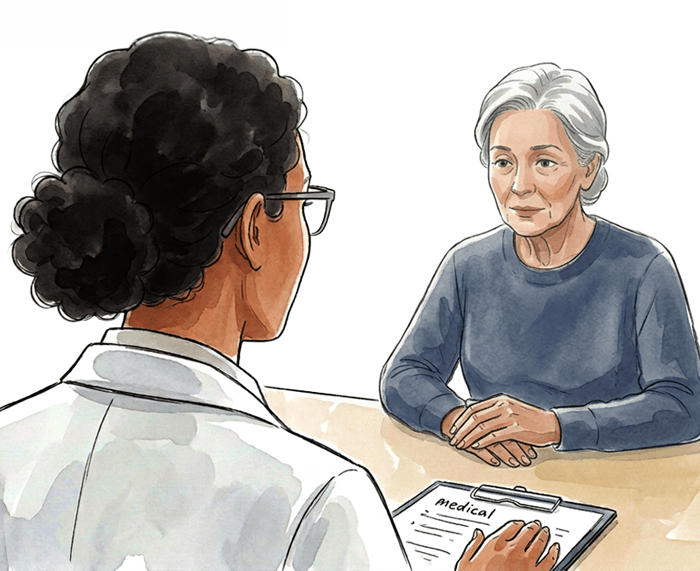
-
Macular Degeneration: Where to Start
Article · 6 minutes
-
What's Cooking?
Discussion
- Explore more
Members also liked
- Video · 5 minutes
- Video · 4 minutes

- Video · 3 minutes

Join the Hadley Community
Hadley's resources are always available to you. Create a no-cost Hadley account to go further:
-
Pick up where you left off Everything you start is automatically saved across Hadley.
-
Personalized recommendations We'll suggest resources based on your interests.
-
Join live discussions Live and lively discussions on technology, cooking, and more, all geared toward the community of people living with vision loss.
-
Find peer support Connect with people who understand what you're going through.