
Staying on the Job
You want to work. Maybe it’s because you love your job. Or you just need the income right now. But you’ve been to the eye doctor and you’ve been told the vision problems you’ve noticed lately are not going to go away. Not even with new glasses. And they may get worse. What can you do?
Let’s start with what not to do – even if your vision is making some parts of your job harder, don’t make a sudden decision to quit. Plenty of folks keep their jobs after a similar diagnosis. With a bit of expert help and some new skills they stay productive – no matter their level of vision.
At this stage its normal to be overwhelmed. There are lots of things to think about – and keeping your job is just one of them. So, to help, here’s a to-do list – a step by step guide to decide what’s right for you – and your job.
To start, find out as much as you can about your vision. And get your information from professionals. Friends, family and the internet may try to be helpful, but they can’t really know about your unique needs.
Your regular eye doctor will help, but an exam with a Low Vision Specialist is the best way find out what your vision is doing and how you can make the very best of the vision you have. Low Vision Specialists will give you a complete picture of what your vision is capable of – even down to the specific tasks you do at work.
To learn more, check out our Hadley Presents podcast episode: Tips from a Low Vision Doctor. Or call a Hadley Learning Expert for information on how to find a Low Vision Specialist near you.
There are ways to change job tasks to make them easier on your vision. There are lots of devices that make things easier too. Now’s the time to learn about them.
But you don’t have to do this alone. Get help from a Vocational Rehabilitation Counselor at your local state office of vocational rehabilitation. Their services are free. The counselor’s goal is to match you with resources to help you stay in the job you have – or even find a new one. They will know about special computer software, magnification devices, work-space changes or even new skills that people with low vision use on the job.
They may connect you with other experts too – like Vision Rehabilitation Therapists who help with everyday living tasks and Orientation and Mobility Specialists who can make sure you are getting around safely. If you need help finding a Vocational Rehabilitation Counselor, your Hadley Learning Expert will be glad to assist.
It also doesn’t hurt to know your rights. In the U.S., the Americans with Disabilities Act, the ADA. Under the ADA, your employer must make “reasonable accommodations” that allow you to perform the essential functions of your job.
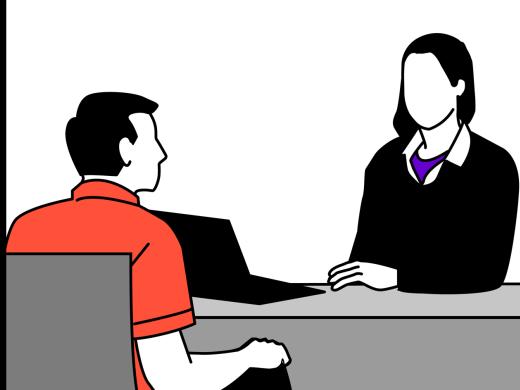
Once you have a good handle on your vision, the types of changes that might help you on the job and you know your rights - now it’s time to talk to your employer. It’s not easy and there’s no one way to go about it. But being prepared helps a lot. Hadley has a workshop on this topic called “Talking with Your Employer”. It’ll guide you through the process, so you’ll be ready.
If you both feel that staying on the job is the right decision, focus on the changes that will make this happen. Changes, or adaptations, generally fall into three types: adapting your worksite, using new skills, and employing new devices. You might find just one of these is all you need to get back to where you want to be.
To adapt your worksite – to make your work environment fit your level of vision - it helps to have worksite evaluation from a vision professional. Your vocational rehabilitation counselor can set this up.
You may find that simple recommendations – like moving things closer, reducing glare, or improving contrast – will make a huge difference. Hadley has workshops on lighting and contrast that can give you some ideas of your own as well.
If safety is a concern, some simple changes to your larger work area can help. Asking your coworkers to keep aisles clear or making sure stairs and hallways are well lit are easy adaptations your employer can make so getting around is easier and safer.
You may need to learn some new skills that can keep you on the job. Like using different computer software, or learning to read braille. It’s amazing how many ways there are to do things that don’t rely on perfect vision.
Again, a vision professional can help you decide which new skills will help. And depending on the skill, you may need some time and training to get up to speed. Some folks decide to learn on the job – sometimes more intensive training requires visits to a rehabilitation center.
All states have rehabilitation centers, and they generally prioritize the needs of people who want to stay employed. Your vocational rehabilitation counselor can arrange how and where you’ll get the training you want.
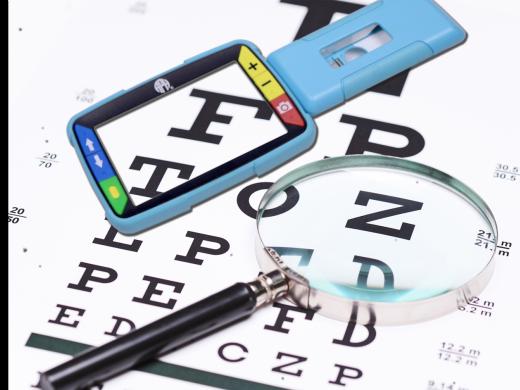
And then there are adaptive devices. These can range from new computer hardware, magnification aids, large print keyboards and so much more. Contact a learning expert for more information
Each device can target a specific job task you need to do, from measuring, to typing, to finding the right file, even to using power tools. Some adaptive devices come with a learning curve, but many don’t. And for the most part, they’re usually not costly. Your office of vocational rehabilitation may even purchase them for you.
Not everyone can keep their job after vision loss, but a lot of workers can. If you want to stay working – and you like the job you have – take your time before deciding to make a change. Research your options. And get some vision professionals on your team.
Losing vision doesn’t have to mean losing sight of your working life. Being open to change may be the key to staying on the job. Just give yourself time, and patience and practice and you’ll get there.
-
Organizations
American Printing House CareerConnect
CareerConnect provides useful links for job seekers who are blind or visually impaired, including a directory of services near you.
The Chicago Lighthouse - Job Club Program
Job Club hosts weekly virtual support sessions on Zoom to educate people about job readiness, networking, professional etiquette, employment resources, and more.
-
Websites
Information, guidance, training, and news on the Americans with Disabilities Act.
The ADA: Questions and Answers
Answers to many questions about the ADA, how it works, and how it's enforced.
Job Accommodation Network (JAN)
Free, expert, and confidential guidance on workplace accommodations and disability employment issues.
Search for information on various occupations.
Reasonable Accommodations in the Workplace from ADA National Network
This online fact sheet includes an overview, examples, and a review of the process to receive reasonable accommodations.
The Rehabilitation Act of 1973 from the U.S. Equal Employment Opportunity Commission
Sections 501 and 505 of the Rehabilitation Act of 1973.
United Nations International Convention on the Rights of Persons with Disabilities
Blindness and Vision Impairments in the Workplace and the ADA
Explore
-
"It's the best thing I ever did"
Audio · 4 minutes
-
A family member has vision loss
Resource guide
-
5 Free Apps to Help After Vision Loss
Article · 5 minutes
-
Resource Roundtable
Discussion
- Explore more
Members also liked
- Video · 5 minutes
- Video · 3 minutes

- Video · 3 minutes
Join the Hadley Community
Hadley's resources are always available to you. Create a no-cost Hadley account to go further:
-
Pick up where you left off Everything you start is automatically saved across Hadley.
-
Personalized recommendations We'll suggest resources based on your interests.
-
Join live discussions Live and lively discussions on technology, cooking, and more, all geared toward the community of people living with vision loss.
-
Find peer support Connect with people who understand what you're going through.