
Labels: Label It Large
We gather information about our world through our senses. One of those senses is vision. When vision loss makes it harder to find the information we need, it might be time to make a few changes that give our remaining vision a little help. One of those changes is using large print labels.
So what do I mean by large print labels? Here's an example. Let's look at the packaging on this frozen meal. Take a look at the heating instructions. They're in tiny print, very tiny. Like the sample here, the print's also in red ink. These directions are hard for almost everyone to read. They're about impossible to read if you have vision loss. A simple fix can make it easy to see the cooking time and temperature for this dish. A large print label.
Imagine if this package had a big piece of masking tape on it, and the tape had the cooking time and temperature written on it in large print letters that you can clearly read. Now the job of finding directions is simple again. After all, we just want to heat up dinner, right? We don't want to struggle in the process. In this example, a large print label lets us get on with the actual thing we want to do, cook and eat dinner.
Okay. Now that we've seen an example, let's talk about making large print labels. It's easy, and you only need to remember a few things. One, make the print two inches high or as large as you need. Two, make your letters dark. Use a sharpie pen or some other kind of black magic marker. Three, don't use script. Print in block letters, they're easier to read. Four, keep it simple. Only write down what you need to know. For instance, for the meal we just talked about, let's say it needs to be baked at 350 degrees for 20 minutes. Just write the number 350, add a dash or a space, and then write the number 20. A quick glance at the label will tell you all you need.
A very basic kit for making your own large print labels could include the following, three by five index cards or some other kind of paper label you can write on, masking tape works great also ... it's always a good idea to have durable labeling materials, in case labels are in places where they can get wet, like the freezer ... a sharpie pen or black magic marker, and some rubber bands to hold labels where they belong.
When you make large print labels, you may need some help up front. With that frozen meal we talked about, you might meet someone with you when you put away your groceries who can read the packaging directions so you can label them. So sometimes you have to do a bit of planning. But that bit of help ahead of time means you won't need any help when it's time to make dinner. That's independence and convenience.
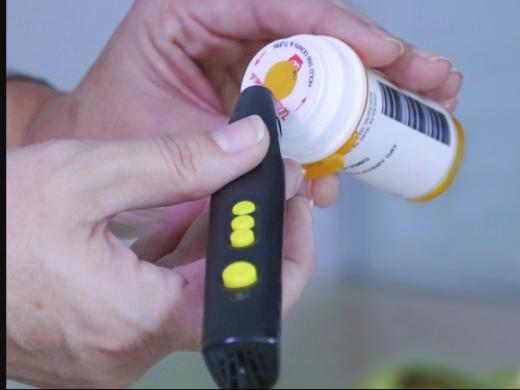
Let's look at some more examples of how large print labels can help. Pills. It's hard to read the labels on bottles, and sometimes hard to make sure we're taking the right thing when we need to. Large print labels can help. Let's say we have a bottle of blood pressure medicine. Just make a label you can wrap around the bottle. On the label, write in large print, BP, for blood pressure, and 1X, for one time per day. Now you know what's in the bottle and how often to take it without any guesswork and without anyone helping you. That's convenience and privacy. And by the way, we have another workshop just on the topic of marking and labeling medicine.
How about your kitchen cupboard? Take multiple cans of soup. We may have chicken noodle, vegetable, tomato soup or more. Label the chicken noodle with a CN and the tomato with a T. Only use enough letters so you know exactly what's in the can. Then you can choose the can of soup you want without asking anyone for help. If your labels are durable, you can use them over and over every time you restock. Here's a great hint. Keep your labels together after you take them off a package or a can. You can use them to make your next shopping list. It's a simple thing, but that's independence, and that's important.
For bathroom items, some tape wrapped around the shampoo labeled with a large letter S, and some tape around the conditioner labeled with a large letter C, can make it easy to see the difference between the two. Two similar spray cans can be labeled with an AF for air freshener, and HS for hairspray. Cleaning supplies sometimes look the same, and it's not really safe to tell them apart by smelling them. A large print label with the letter B identifies your bleach, and another with an A, your ammonia.
Large print labels have a place outside the home as well as inside. Some apartment building hallways are long and full of doors that all look the same. Apartment numbers can be small, and often they're made of brass or something that doesn't show up well against what they're mounted on. Large print numbers make door identification easy. The same is true for mailboxes. If you have a mailbox that's one of a large group, a large print label on the box with your initials or your number saves you time when you collect your mail every day.
So let's review. Large print labels can be used in every room of your house, and they're meant to make visual tasks easier. They're easy to make as long as you keep a few things in mind. Write big, write dark, write in print, and keep it simple. With a bit of planning, you can create labels in large print that take the effort out of simple jobs and give you time to get back to what's important to you.
-
Handouts
This handout gives you tactile, visual, and audio marking and labeling tips for rapid identification.
-
Products
This medium point gel pen writes bold without bleeding through the paper.
ProLINE Felt Tip Low Vision Pen from LS&S
This felt-tipped pen provides clear, bold lines and doesn't bleed through the paper.
Labels for Everyday Use Series
- Video · 9 minutes
- Video · 9 minutes
Explore
-
Traveling with Vision Loss: Tips from the TSA
Audio · 21 minutes
-
I was just diagnosed
Resource guide
-
The Crochet Life: 7 Tips for Crocheting After Vision Loss
Article · 4 minutes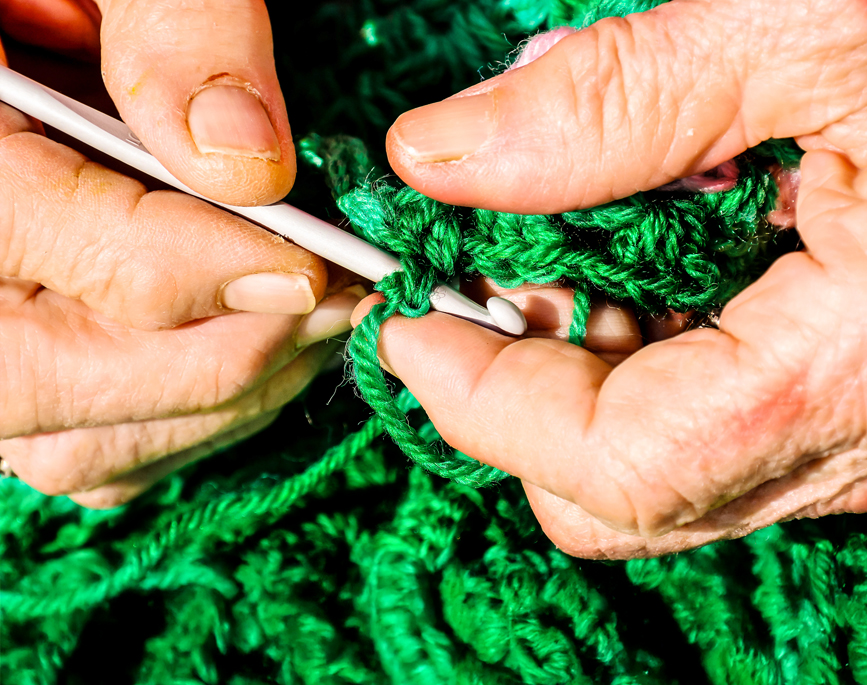
-
Embracing Braille
Discussion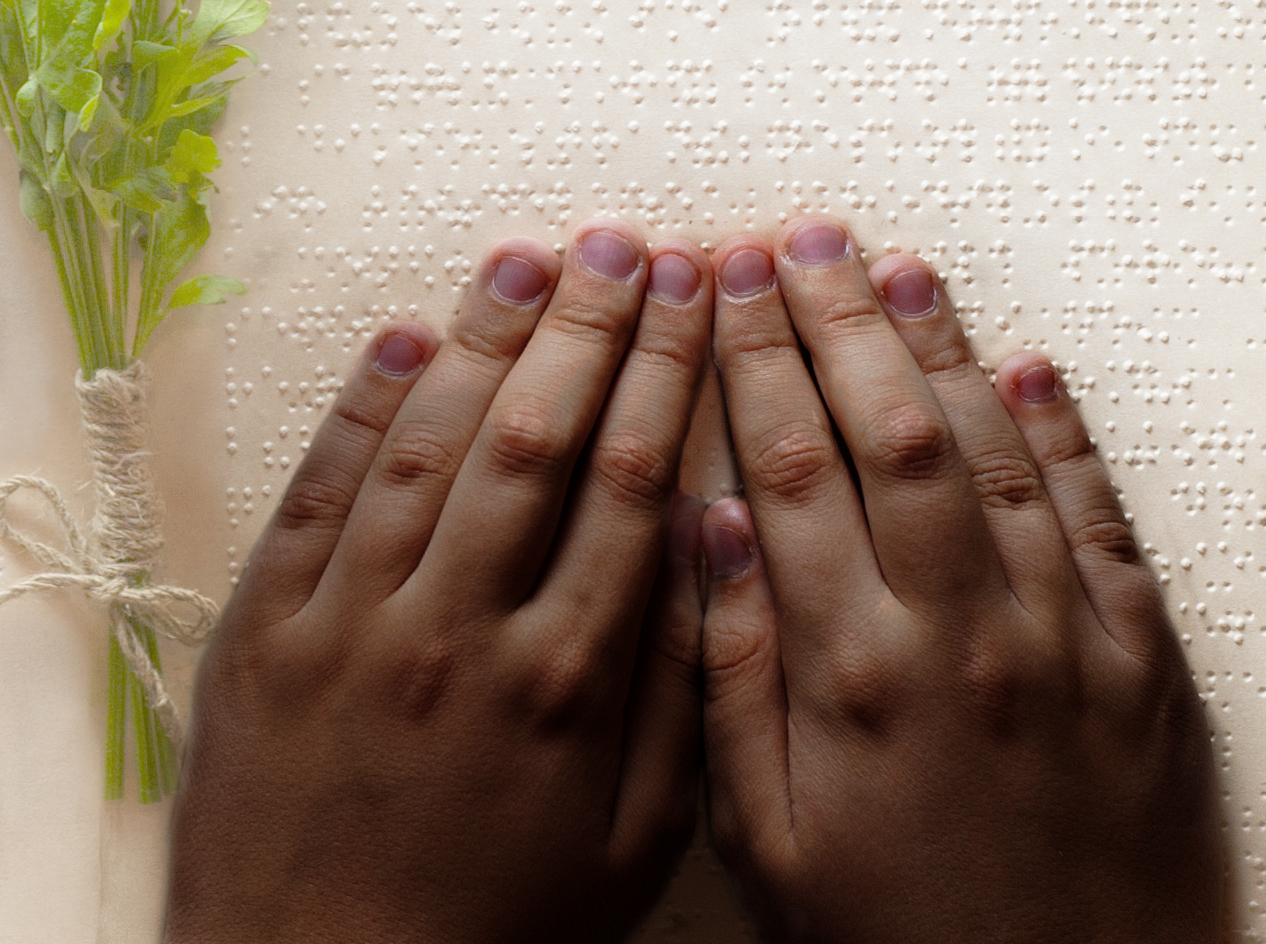
- Explore more
Members also liked
- Video · 3 minutes
- Video · 3 minutes
- Video · 6 minutes
- Video · 4 minutes
Join the Hadley Community
Hadley's resources are always available to you. Create a no-cost Hadley account to go further:
-
Pick up where you left off Everything you start is automatically saved across Hadley.
-
Personalized recommendations We'll suggest resources based on your interests.
-
Join live discussions Live and lively discussions on technology, cooking, and more, all geared toward the community of people living with vision loss.
-
Find peer support Connect with people who understand what you're going through.