
Empowered Living from The Chicago Lighthouse
Tech Tools for Living: Welcome to Empowered Living
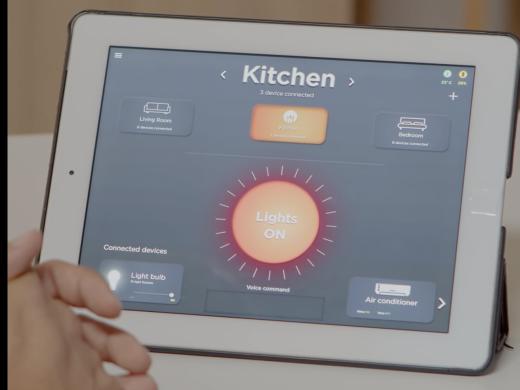
Narrator: From our partners at the Chicago Lighthouse, introducing My Tools for Living, an overview of everyday tools for low vision. If you're experiencing changes in your vision and you'd like to find tools that can help you move forward with confidence and independence, this series was created for you. In this set of short videos, we'll share practical ideas, real examples, and tools that support everyday living with vision loss. Each episode will focus on a different part of daily life, including making your home safer and easier to live in.
Voice: Turn on the light.
Narrator: Staying connected, using smartphones and computers, navigating the world outside your home, managing money with confidence, enhancing your wellbeing with pastimes, like reading brain games and other entertainment, and finding community resources and ongoing support. You'll also hear from others living with vision loss, who have found practical solutions along the way with help from the Chicago Lighthouse and the My Tools for Living Store.
Dennis: But the fact that you can search and find information is invaluable. I reach out to the Lighthouse to help me with my computer issues, which are paramount to my life, and it's helped me a lot, and there's still more to do.
Narrator: Throughout this series, you'll hear the phrase assistive technology. In simple terms, assistive technology is any tool that helps you do something more easily or more independently. That might be something basic, like a small bump dot placed on the control pad of a microwave so you can feel where the start button is. Or it might be a handheld electronic magnifier that helps you read mail, food labels, and more using magnification. In high contrast, sometimes a great solution can involve a smartphone, computer or tablet along with some helpful training to learn how to use an app or program.
Judith: And my iPad is a lifesaver. In many ways. My comfort level with technology is not real good. I know that I can reach out to the lighthouse and get help, you know, a little, little progress here, a little progress there. That's the way I, I look at it like, now I can do this.
Narrator: And don't worry. Assistive technology is not about changing everything you do. It's about supporting the way you already live, and it comes in a wide range of options. At one end, our low tech tools like bump dots, large print labels, or a handy template that helps you sign your name in the right place, these are easy to use and straightforward. Next are mid tech tools like audiobook players, talking thermometers or electronic magnifiers, Moby, Dick, or the Whale. These might have a small learning curve, but they're designed to be easy to use. Often with physical buttons, you can feel and spoken, feedback you can hear. And then there are high tech tools, including smart speakers, wearable devices, smartphone apps, and AI based tools. These options offer more customization, enhanced free features for those who want them.
Seeing AI: Read. Plant Based Pork Belly.
Monty: I use tech to help me read, understand my environment, count, money,
Seeing AI: Currency, $10.
Monty: I use tech to help me navigate to get questions answered. Anything that introduces just a more so of more independence, makes me happy.
Narrator: Everyone's preferences are different, just like everyone's vision is different. So, the tools that work best will be unique to you. You might decide to start with one simple household solution, and you might explore several options over time. The goal is not to use more technology, but to find the solutions that fit your needs.
Seeing AI: Processing amount due $54.17.
Narrator: And if there are tools you'd like to try but don't know how to use yet, you don't have to figure that out alone. Training, guidance, and support are available. Of course, learning new ways to do familiar things takes time, and it's okay to move at your own pace and ask questions along the way. Independence is built through choosing options, getting practice, and getting support, and with organizations like the Chicago Lighthouse, you have access to trusted guidance and help.
We're glad that you've joined us for the Empowered Living Series. In the next episode, we'll introduce you to some of the small adjustments that can make a big impact, including practical tools that can make everyday activities safer and more comfortable, and we'll begin at home. We hope this series is helpful to you, and we invite you to reach out to the Chicago Lighthouse with any questions you may have. We're here to help you find the solutions that are right for you and to support you every step of the way. To learn more, visit www.MyToolsForLiving.com or call the Chicago Lighthouse’s, Tools for Living Store at 1-800-919-3375.
My Tools for Living from The Chicago Lighthouse
- Video · 6 minutes
- Video · 7 minutes

- Video · 6 minutes

- Video · 6 minutes
Explore
-
"I came full circle"
Audio · 3 minutes
-
It's hard to ask for help
Resource guide
-
5 Free Apps to Help After Vision Loss
Article · 5 minutes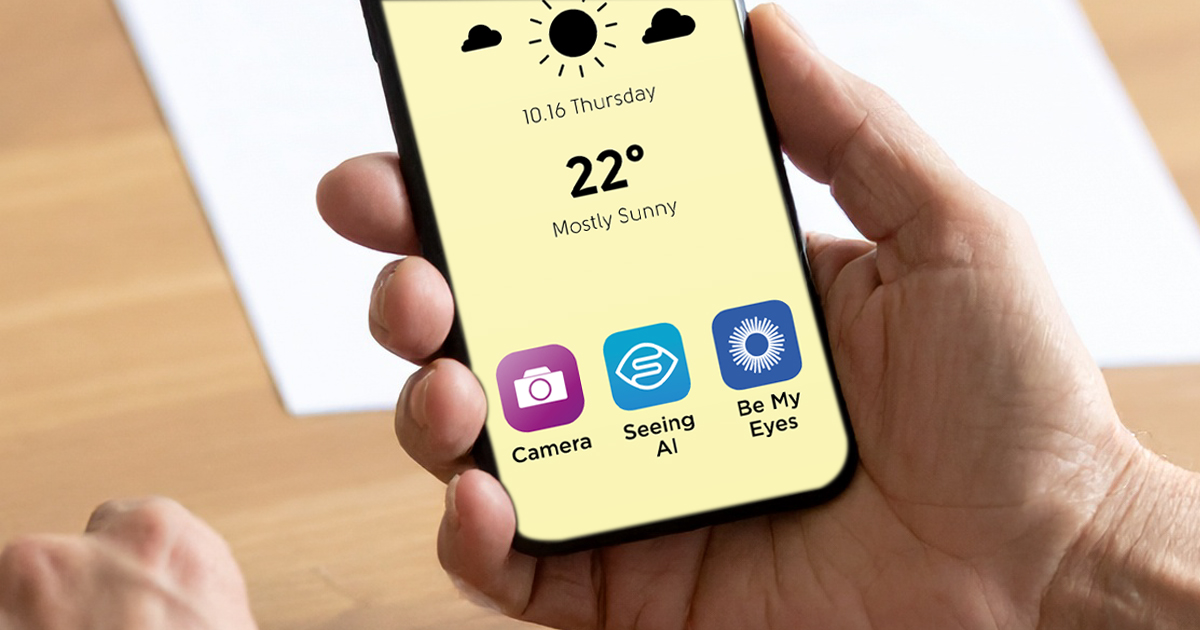
-
What's Cooking?
Discussion
- Explore more
Join the Hadley Community
Hadley's resources are always available to you. Create a no-cost Hadley account to go further:
-
Pick up where you left off Everything you start is automatically saved across Hadley.
-
Personalized recommendations We'll suggest resources based on your interests.
-
Join live discussions Live and lively discussions on technology, cooking, and more, all geared toward the community of people living with vision loss.
-
Find peer support Connect with people who understand what you're going through.