
Outlook Screen Reader: Email Save Attachment
Ricky: Hello, my name is Ricky Enger and today we'll learn about saving attachments in Microsoft Outlook. We're using NVDA as our screen reader, but the concepts we learn will be pretty similar no matter which screen reader we're using. So, attachments. Yeah, they're not just for vacuum cleaners. We can have them for email as well, but what exactly are they and what do we do with them?
Well, an attachment is something aside from the text we type in an email and we can send them to people as well as receive them from others. An example might be a cat picture, a document with stories about cats, or a sound file of a cat saying nom-nom-nom while eating sour cream. Oh, and actually, attachments don't even have to be about cats. So, let's head over to our inbox and see if anyone has sent us interesting things today. As we move through here with our arrow keys.
Screen Reader: Has attachment from Karen Schwartz. Subject: Bird sounds.
Ricky: We land on a message and we hear the screen reader say, "Has attachment," before we hear anything else about it. Well, that works out great. Now we know right off which messages have attachments. So, let's go ahead and open our message.
Screen Reader: Bird sounds message. HTML. Dialogue. Message document multi-line.
Ricky: Now we've got our message open and of course we wanna read the actual message before we do anything else. But once we've read it, how do we get to the attachments we've received? The easiest way to get to our list of attachments is just to press Shift + Tab just as we do when we're moving backward through a dialogue.
Screen Reader: New document window. Canary-singing.mp3 21 megabytes, one of one attachments button selected, use Alt + Down Arrow to open the options menu.
Ricky: Okay, wow, we got lots of info there. We know the name of our attachment. We know there is just one attachment in this message, and we hear that we can press Alt + Down Arrow to open the options menu. So, before we do anything else, let's talk about one quick thing. Sometimes we can actually get more than one attachment in an email. When that happens, we'll use our right arrow key to move forward through our list of attachments and our left arrow key to move back.
We only have one this time, so if we try to move through the list, we'll just stay focused on our single attachment. Okay, so here we are on our attachment. Let's press our Alt + Down Arrow shortcut key and that will open up our options menu.
Screen Reader: Context menu menu. Preview, P.
Ricky: Our first option is to preview the file which is basically just getting a little info before we open it. We'll press our down arrow to keep moving through our options.
Screen Reader: Open, O.
Ricky: Makes sense. If we wanna open this without saving it, we can just press Enter here. But let's see what our other options are.
Screen Reader: Quick Print, R. Save As, S.
Ricky: Now, notice that each of these options has a letter or a key combination listed after it. That means if we wanna jump directly to that option, we can just press the letter or key combination associated with it. So, for example, the next time we want to save an attachment, we can just open our options menu and then press S. Saving this sounds like a pretty good idea. We do have lots of other options in this menu and we can always come back and explore them all when we're ready. For now, let's go ahead and press Enter to select Save As.
Screen Reader: Save attachment dialogue. Tree view. This PC not selected. Expanded one of one level one. Level two windows. C. Collapsed one of one. Filename, combo box collapsed. Edit Alt + N. Selected canary-singing.mp3.
Ricky: And once again, our screen reader just said a mouthful. So, after all that, where exactly are we in this dialogue full of stuff? We're actually in an edit box for our filename and we can read what's in there by pressing our NVDA + Up Arrow shortcut key to read our current line. So, that's Insert + Up Arrow.
Screen Reader: Canary-singing.mp3.
Ricky: Cool, so that's our filename which we can edit, but we probably don't need to. Now, where will the file be saved? Well, by default, Outlook saves attachments in our Documents folder on our computer. So, if we're cool with that, we can just go ahead and press Enter here and our file will be saved in our Documents folder. This dialogue does let us browse our computer to find a different saving location if we don't want the file in our Documents folder, but we won't do that today. So, let's press Enter here.
Screen Reader: Bird sounds message. HTML. Dialogue.
Ricky: And our first attachment is now saved. Yay, and that's it. We're right back in our message and we're focused on our attachment. We can press Tab to move back into the message body.
Screen Reader: Message document multi-line.
Ricky: Or we can just press Escape to close it.
Screen Reader: Inbox [email protected] Outlook.
Ricky: I'm Ricky Enger and I'm glad you could spend a little time with me today learning how to save an attachment in Microsoft Outlook.
-
Handouts
Email: Save Attachment Quick-Start Guide (PDF)
This quick-start guide helps you to save attachments that people send you.
This handout lists keyboard shortcuts so you have an alternative way to do something that you'd typically do with a mouse.
Outlook: Screen Reader Series
- Video · 7 minutes
- Video · 10 minutes
- Video · 7 minutes
- Video · 7 minutes
Explore
-
"I didn't have a choice"
Audio · 4 minutes
-
It's hard to ask for help
Resource guide
-
Organizing Your Kitchen with Vision Loss: Finding Things in the Fridge
Article · 4 minutes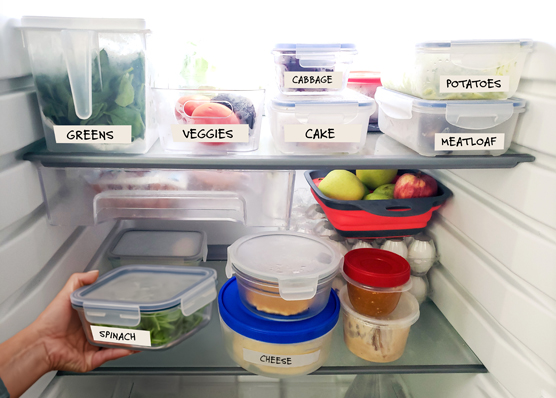
-
What's Cooking?
Discussion
- Explore more
Members also liked
- Video · 6 minutes
- Video · 5 minutes
- Video · 4 minutes
- Video · 6 minutes
Join the Hadley Community
Hadley's resources are always available to you. Create a no-cost Hadley account to go further:
-
Pick up where you left off Everything you start is automatically saved across Hadley.
-
Personalized recommendations We'll suggest resources based on your interests.
-
Join live discussions Live and lively discussions on technology, cooking, and more, all geared toward the community of people living with vision loss.
-
Find peer support Connect with people who understand what you're going through.